Delivery — But Not Just Delivery
One of the services I offer through Navaia Sailing School is simple in concept, but powerful in impact:
Help owners relocate their yacht… while learning to truly skipper it.
Not as a passenger.
Not as an observer.
But as the person in charge — with support, guidance, and space to grow.
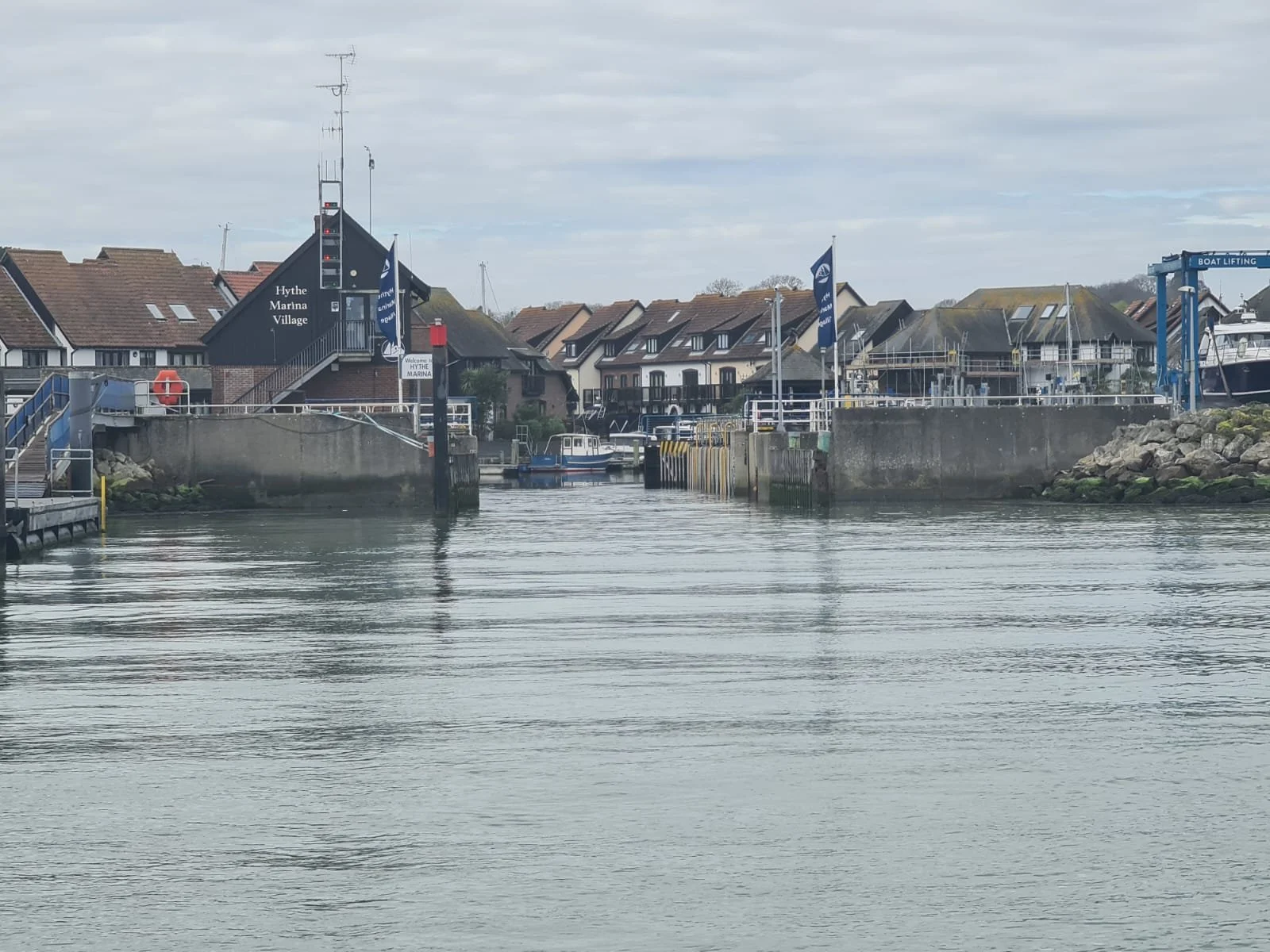
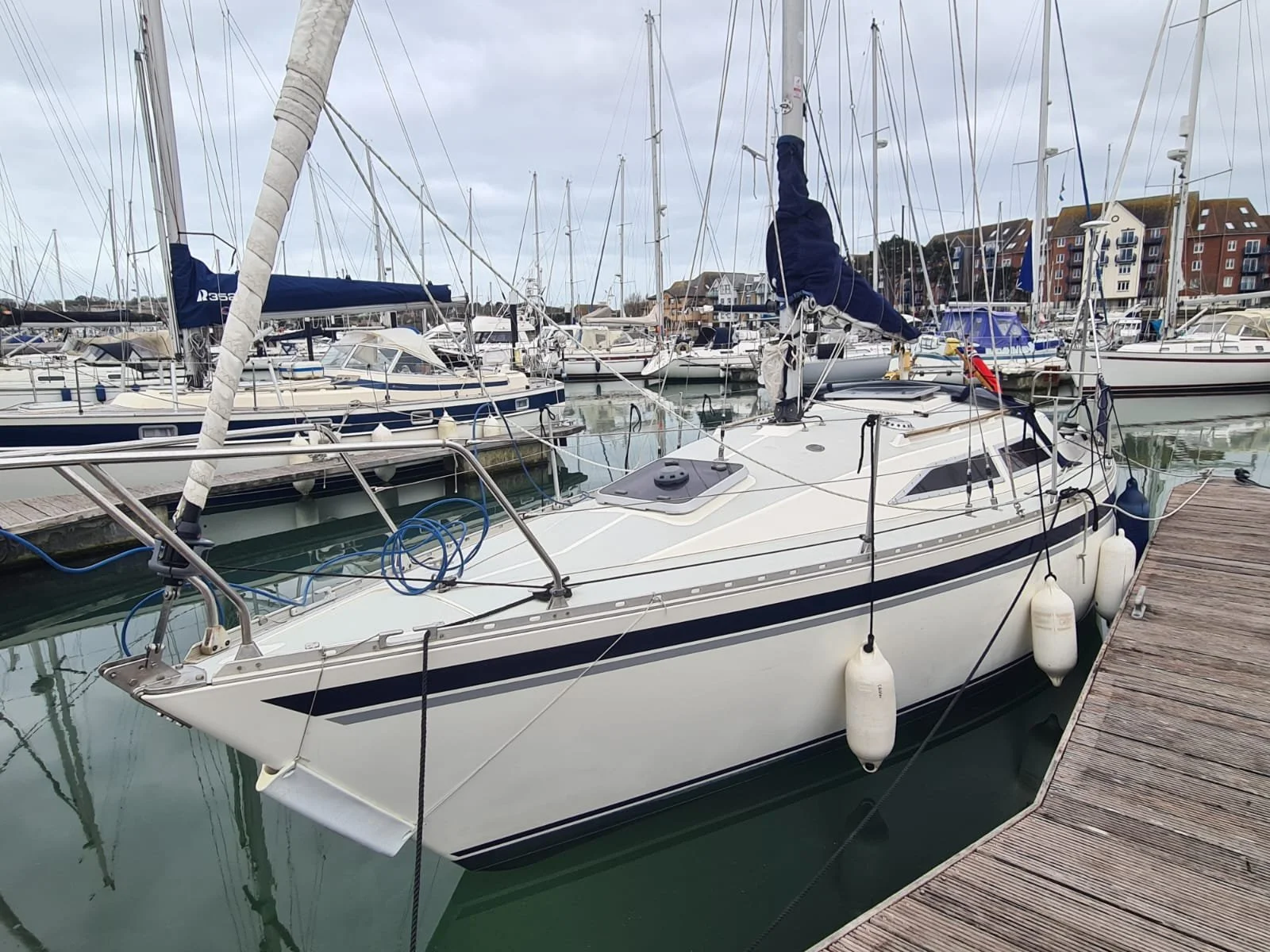
This week’s passage was from Hythe to Lyme Regis.
On the chart, it’s a straightforward coastal run.
In reality, it asks quite a lot of you.
Building the Passage
We mapped out a simple, sensible route:
Hythe to Poole.
Poole to Weymouth.
Weymouth to Lyme Regis.
Breaking it down like this wasn’t just about easing the journey — it was about creating space to learn. Space to make decisions. Space to build confidence properly.
Next came the weather and tide window.
Just before Easter, it all came together.
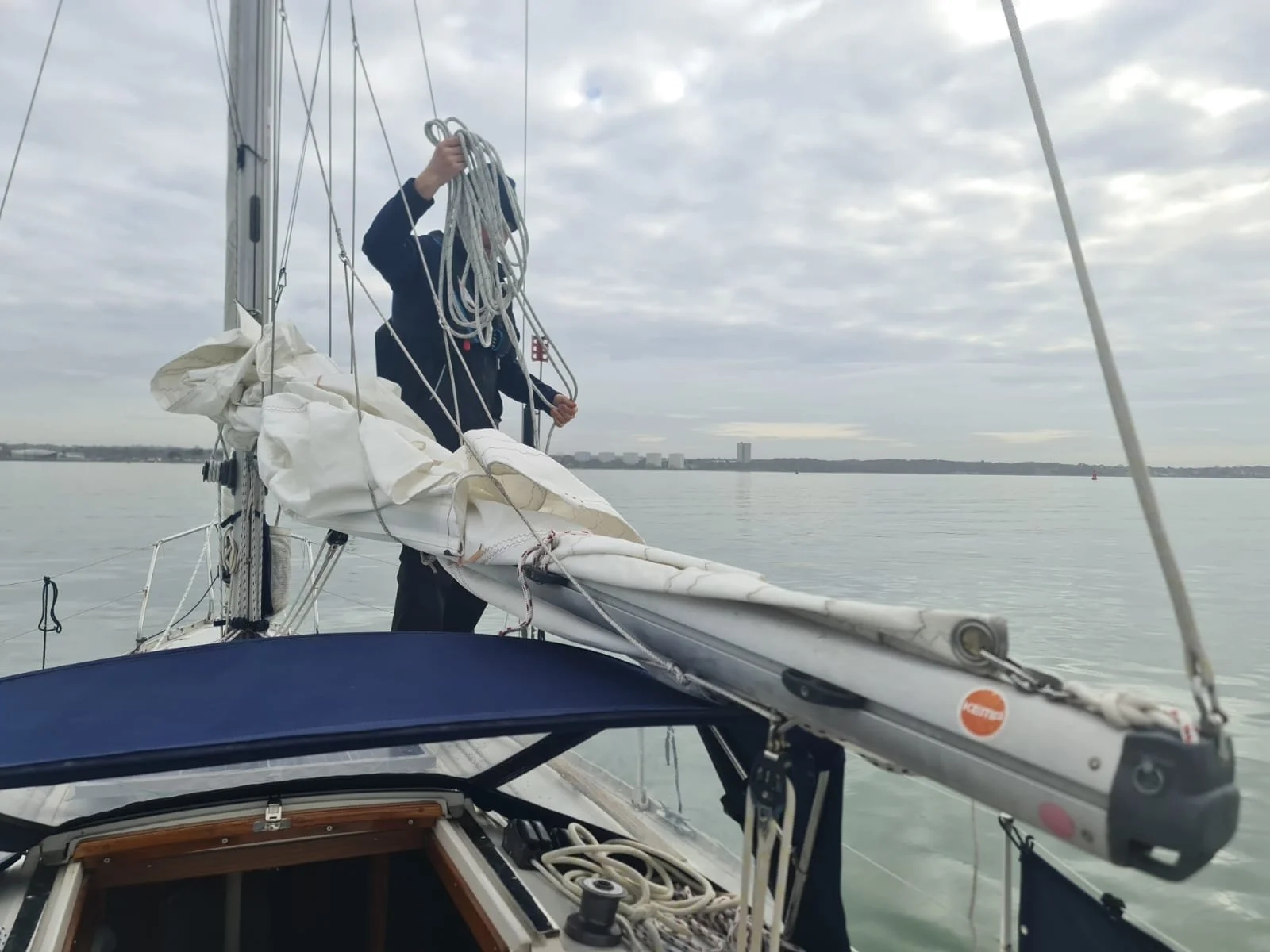
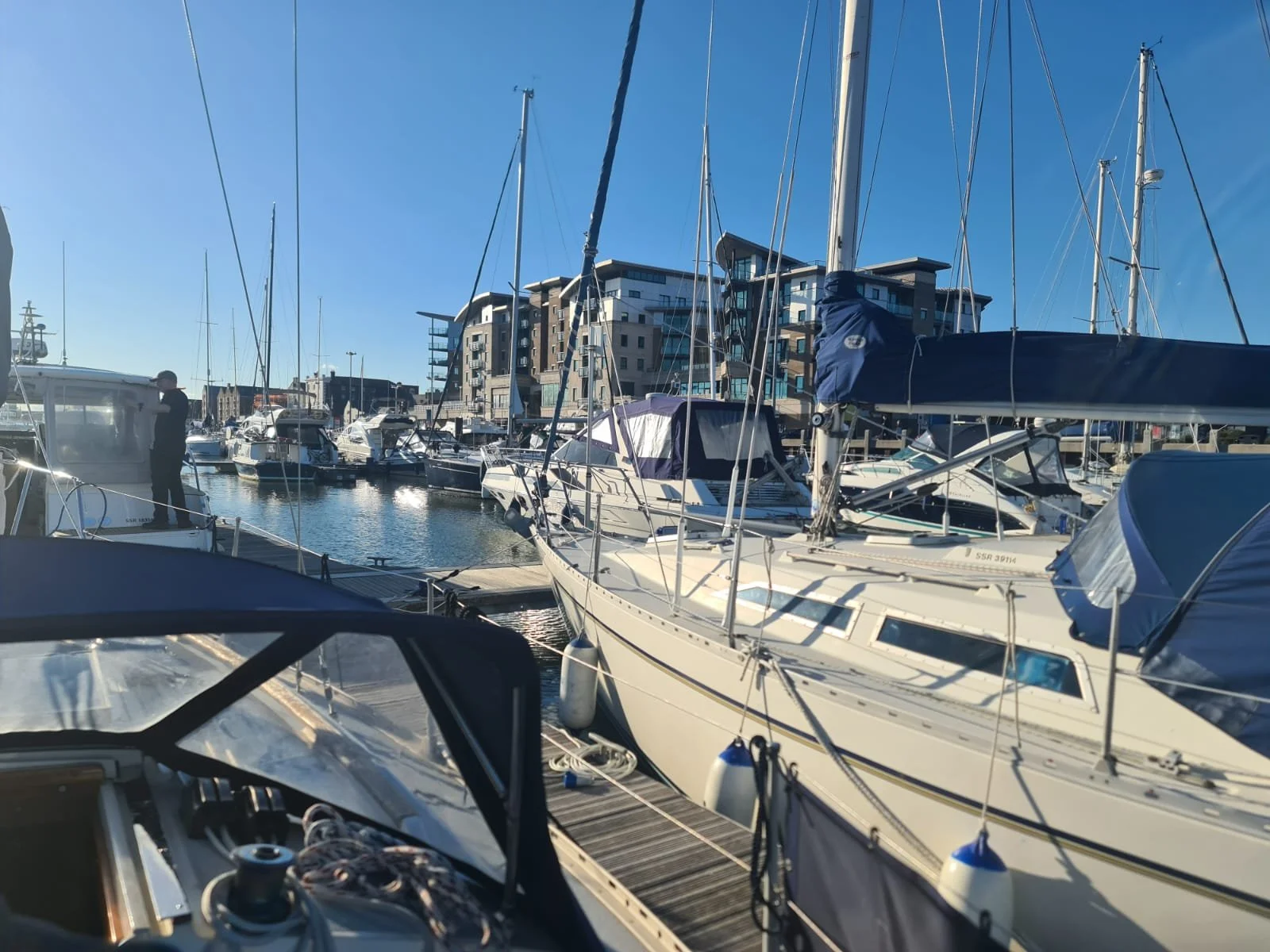
In the days leading up to departure, we focused on preparation. The boat had been ashore for winter, so I supported the owner with relaunching — full checks of systems, safety equipment, engine, and making sure everything was ready for a proper coastal passage.
It’s an important part of the process.
Confidence doesn’t start at sea. It starts before you even leave the dock.
Day One — Into It
We started early.
The goal was simple — catch the west-going tide and carry it all day.
A sausage bap breakfast set us up well, and after topping up with diesel, we slipped lines.
Light winds. Likely a motor sail day.
Not a bad thing.
For a new owner, this is exactly what you want — time to understand the boat, test systems, and build familiarity.
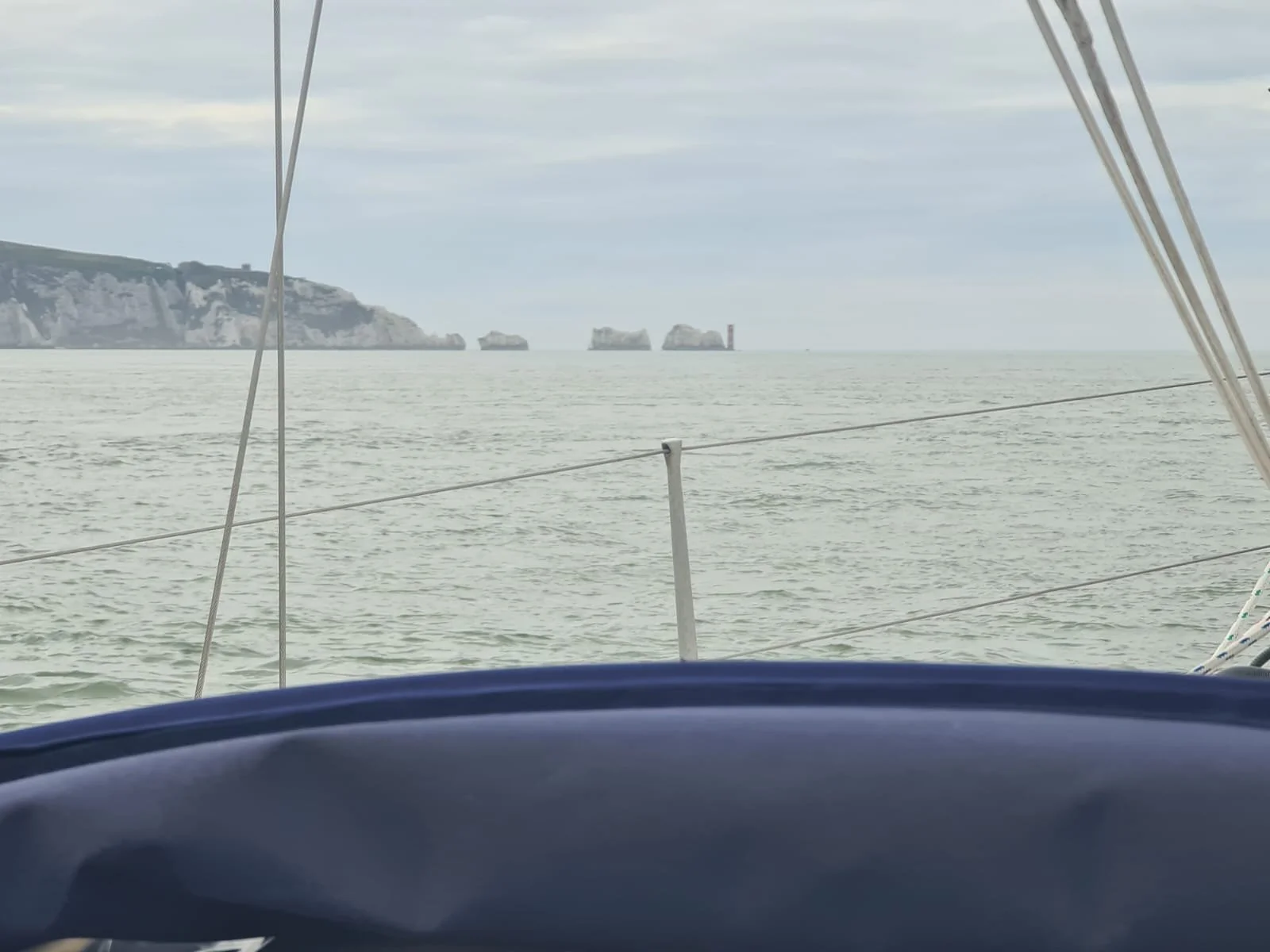
We headed out of the Solent toward the first real test — the Needles.
Even on a calm day, the overfalls stand out. Uneasy water. A reminder that the sea always deserves respect.
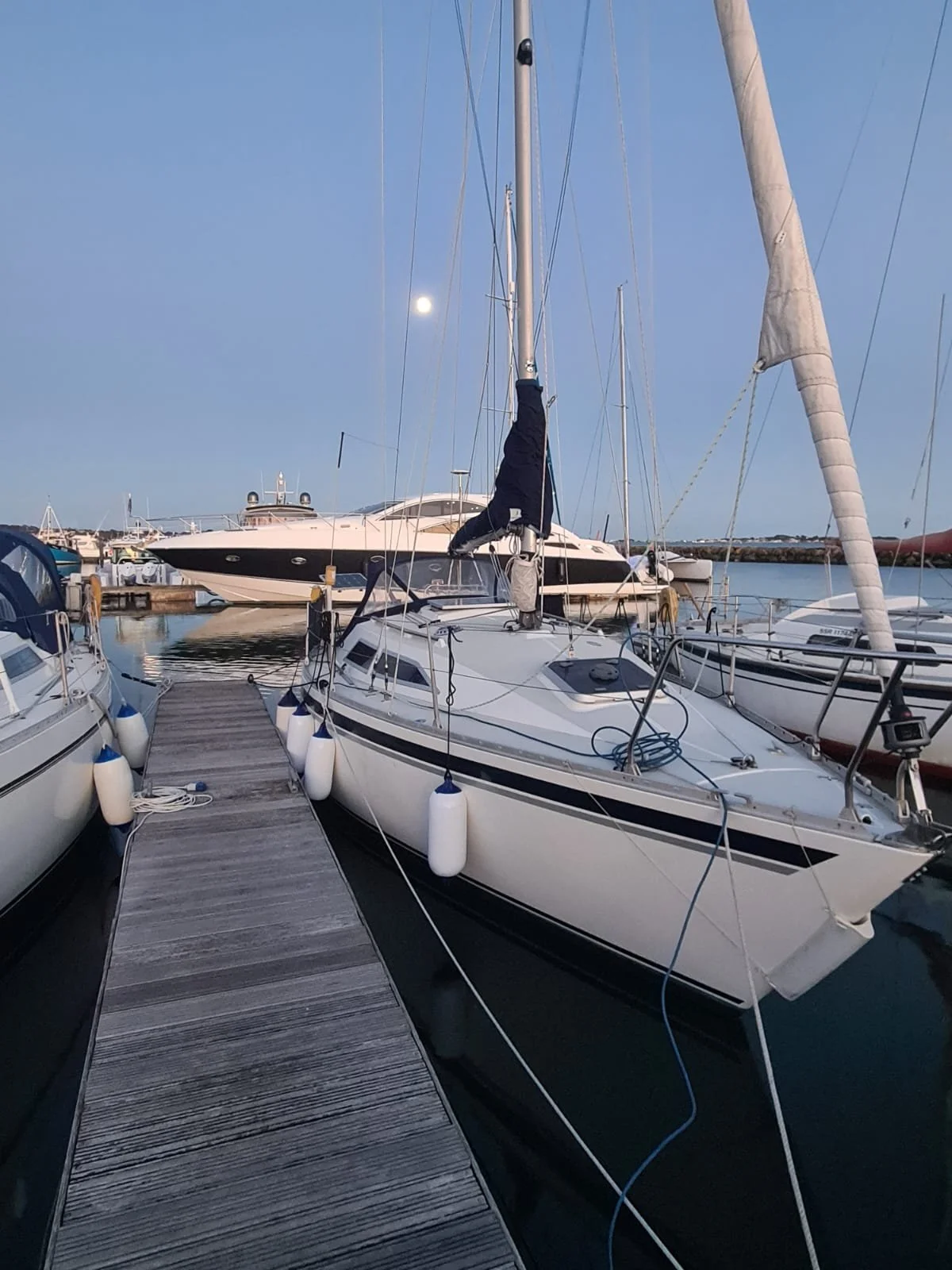
We picked our line carefully through the gap, and the Moody took it in her stride.
Small by modern standards, perhaps. But capable. Solid. Honest.
Beyond that, it was a long push west to Poole.
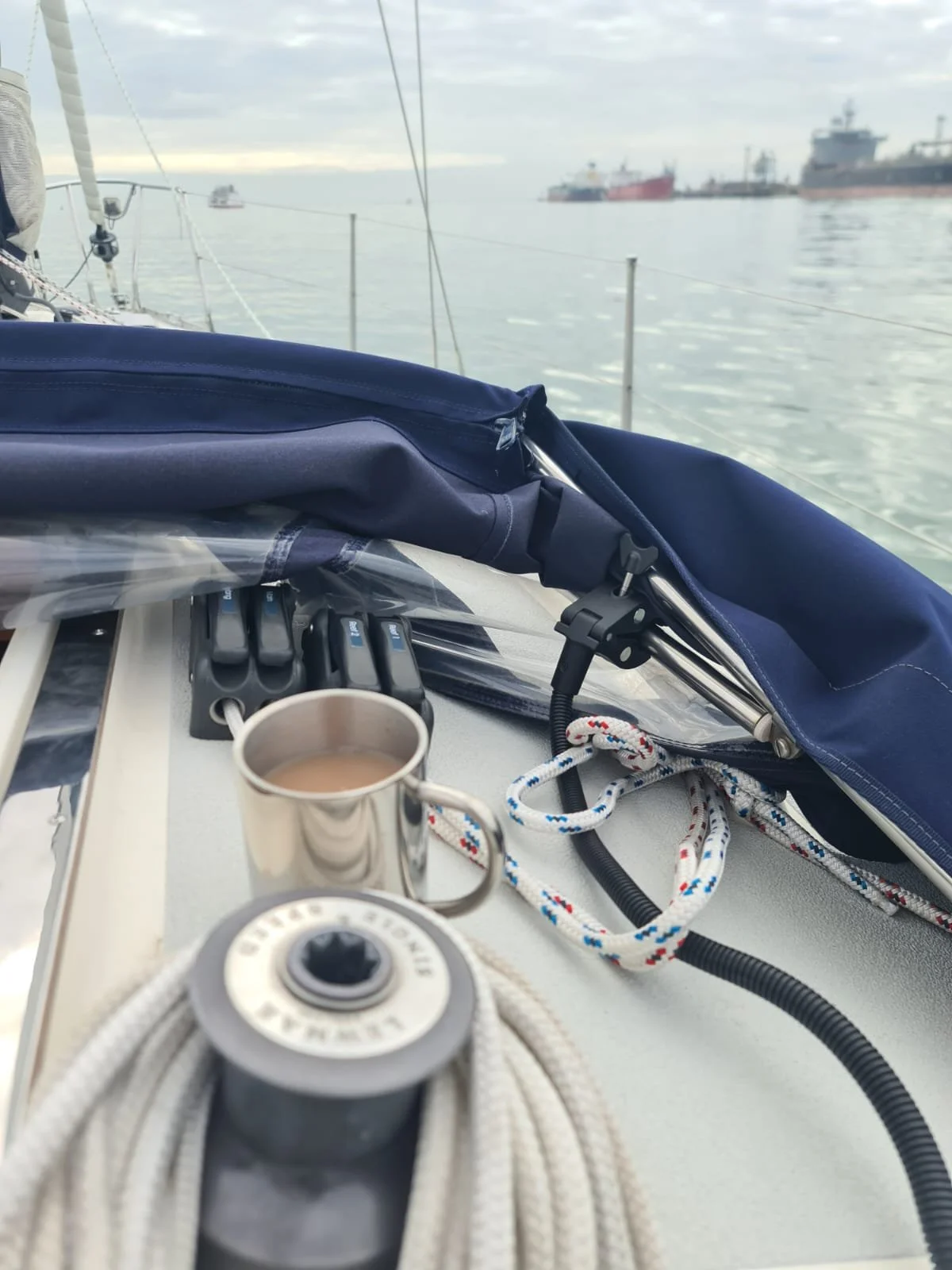
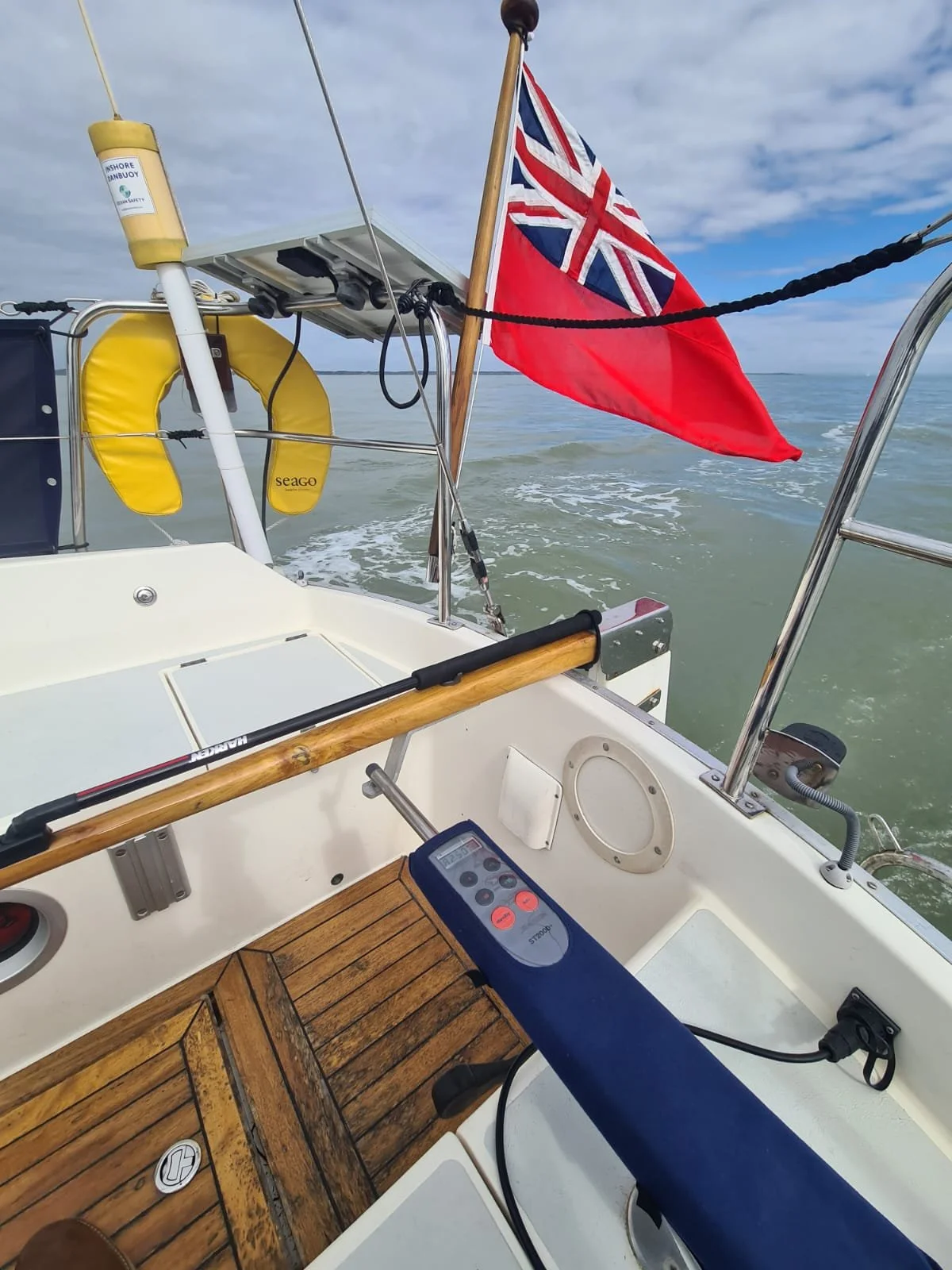
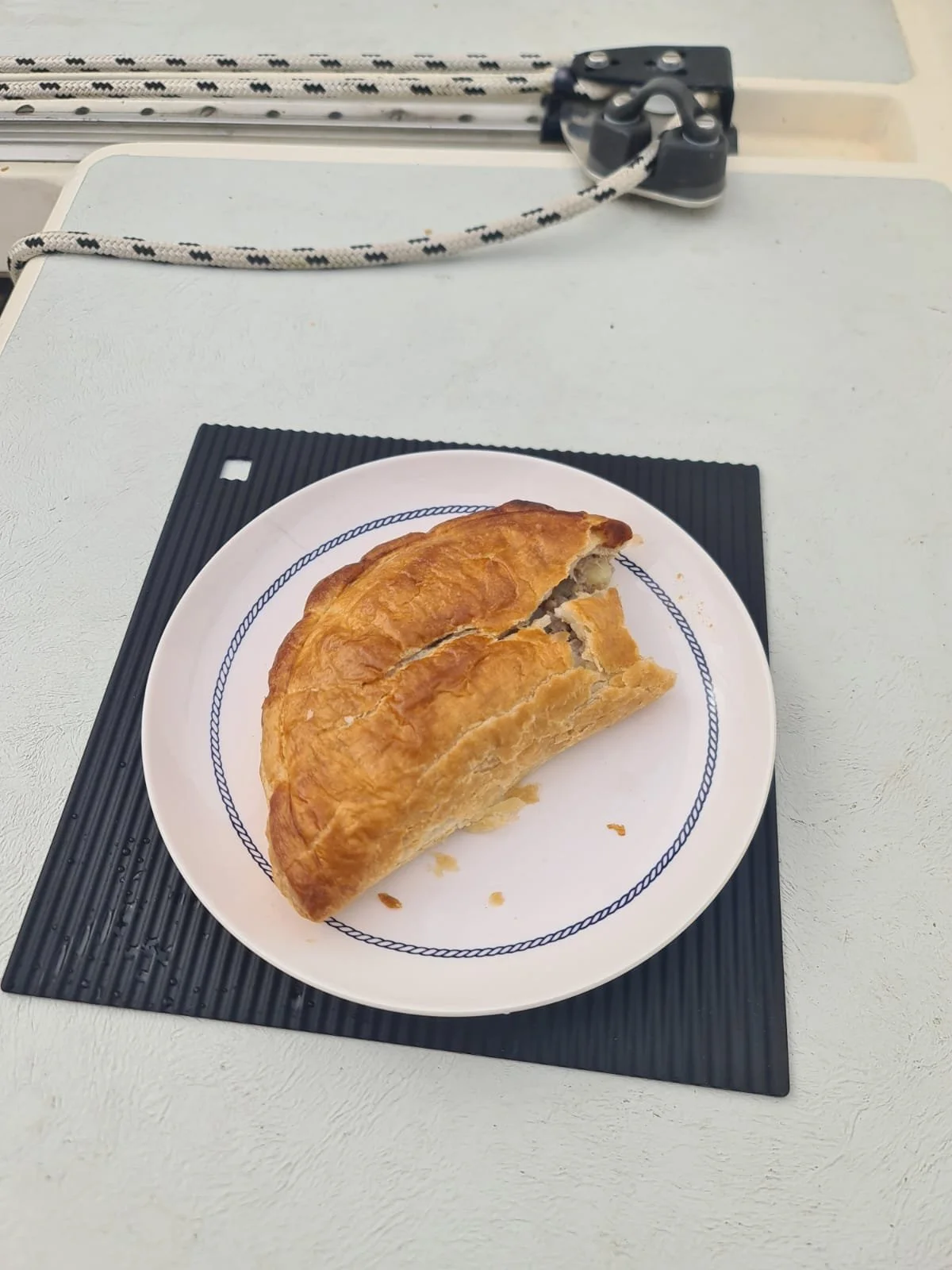
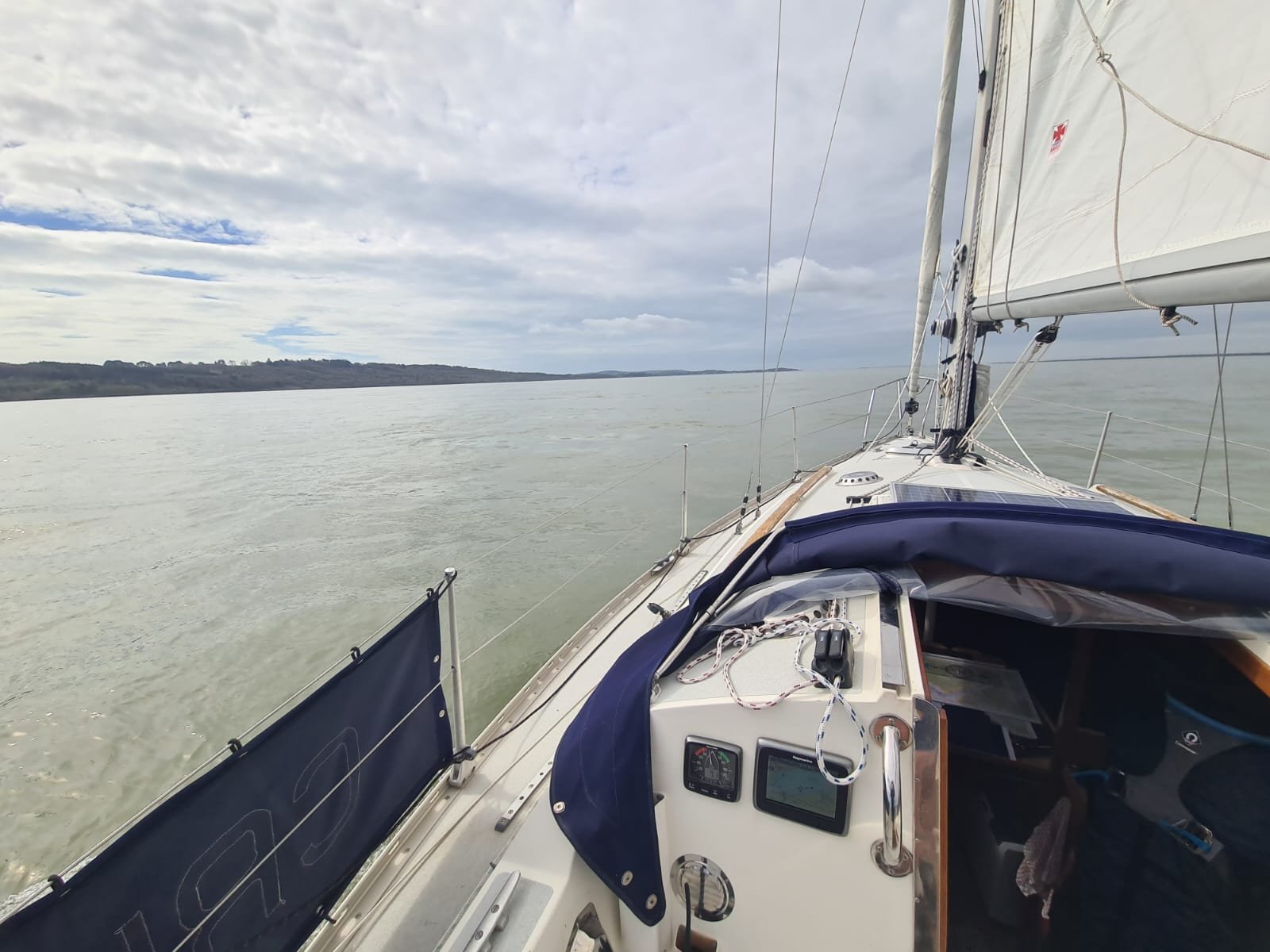
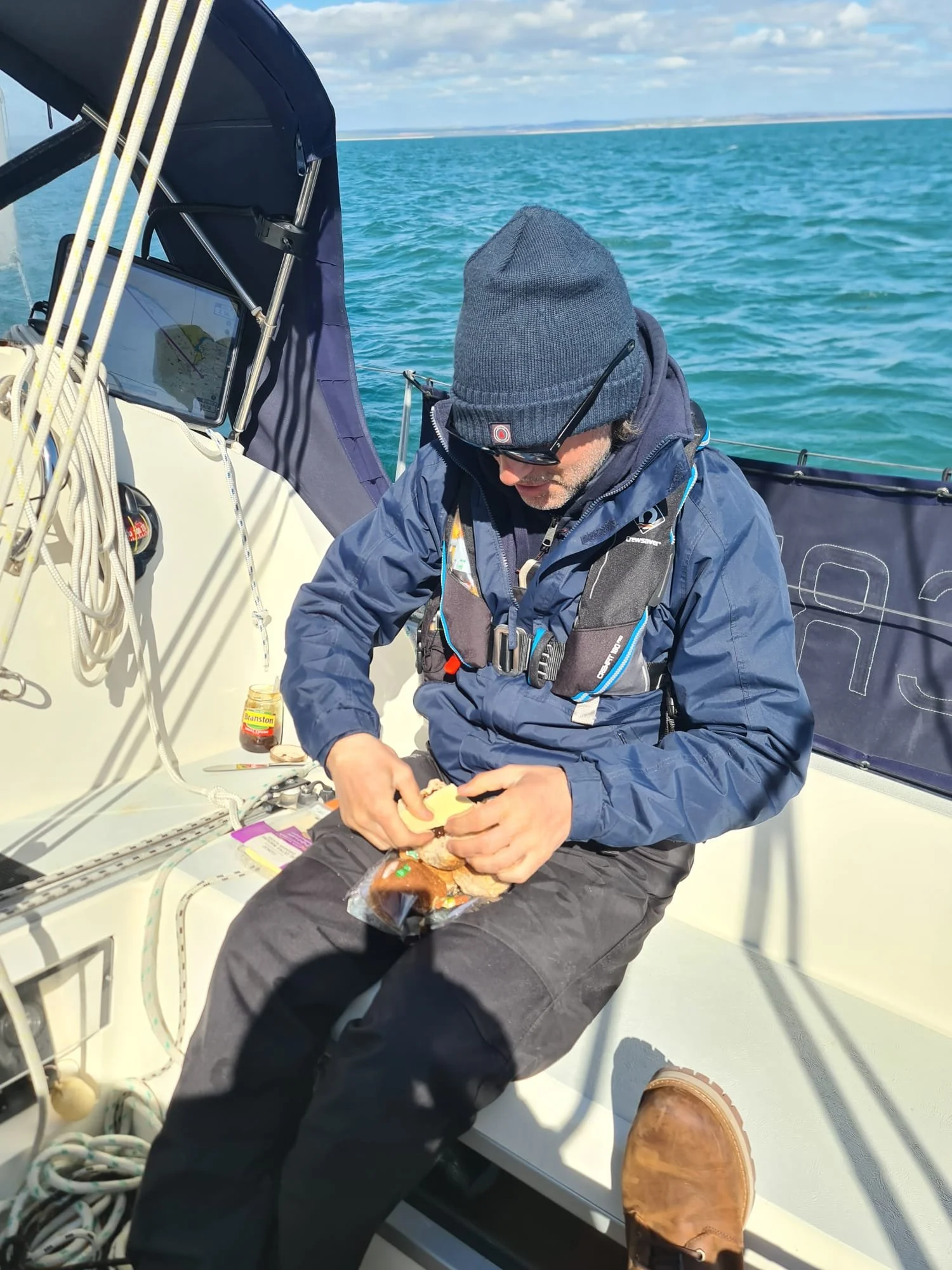
Main up. Engine ticking over. Autopilot tested. Lunch underway — hot soup and a pasty.
Simple things. Good things.
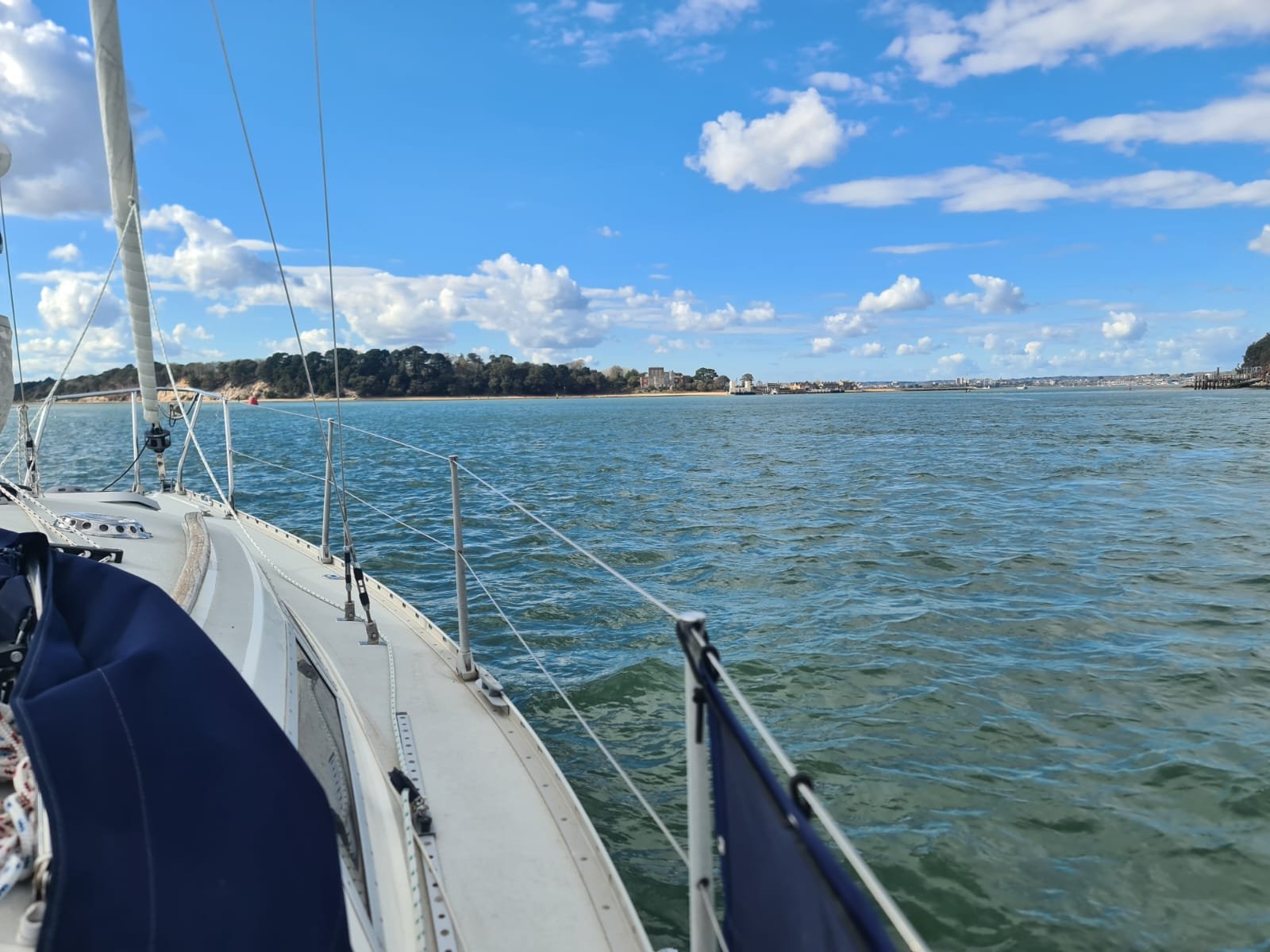
The final stretch into Poole gave us another opportunity — proper pilotage.
Planning the approach. Reading the water. Staying ahead of the boat.
Exactly what Day Skipper theory is meant to prepare you for — now brought to life.
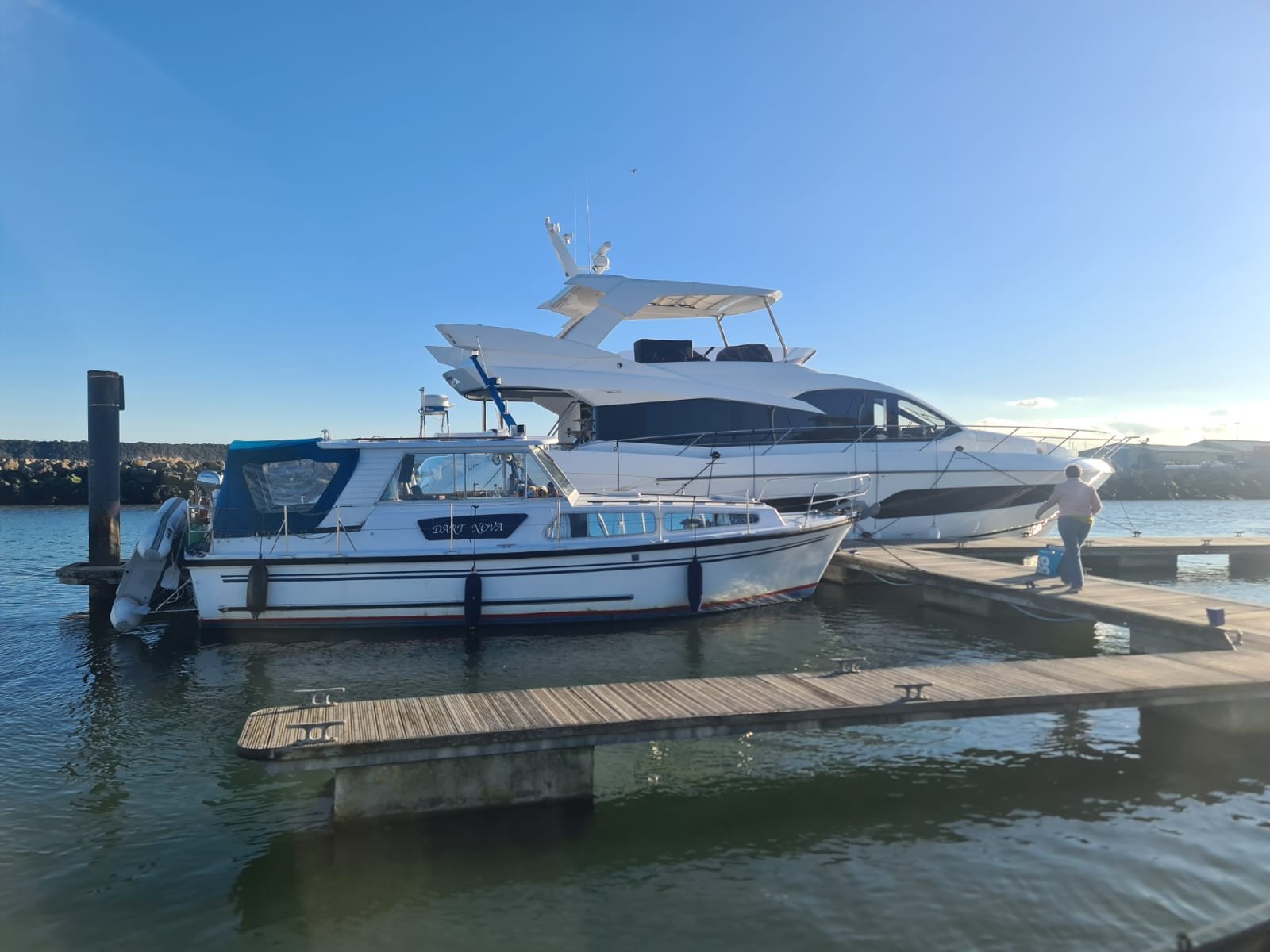
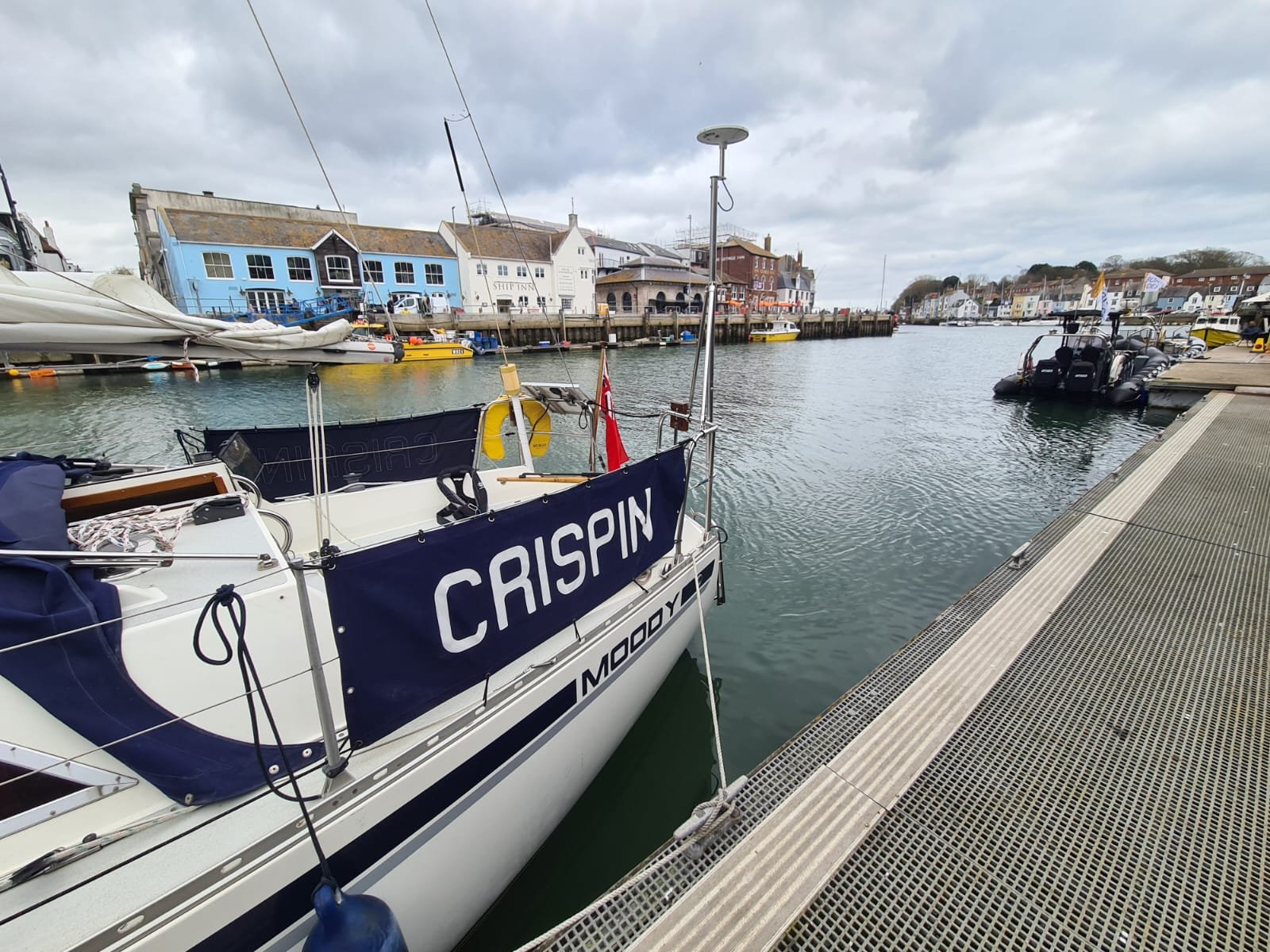
By the time we tied up on the town quay, the sun had come out, and it started to feel less like a delivery… and more like a small adventure.
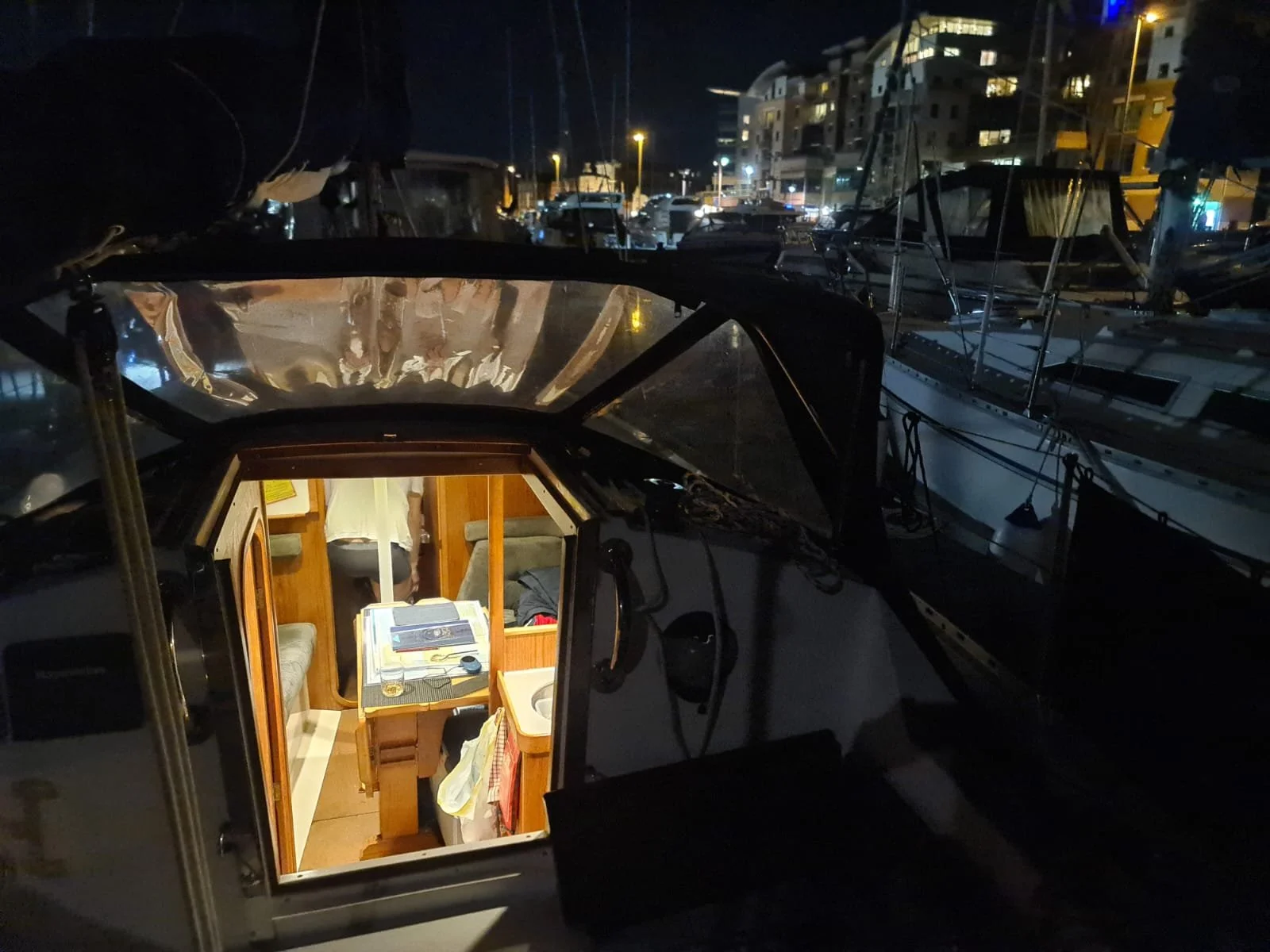
A well-earned pub dinner — fresh fish — rounded off a very good first day.
Day Two — Finding the Rhythm
Another early start.
Bacon sandwiches as the sun came up — hard to beat.
Motoring out of Poole Harbour, the wind began to fill in.
Perfect.
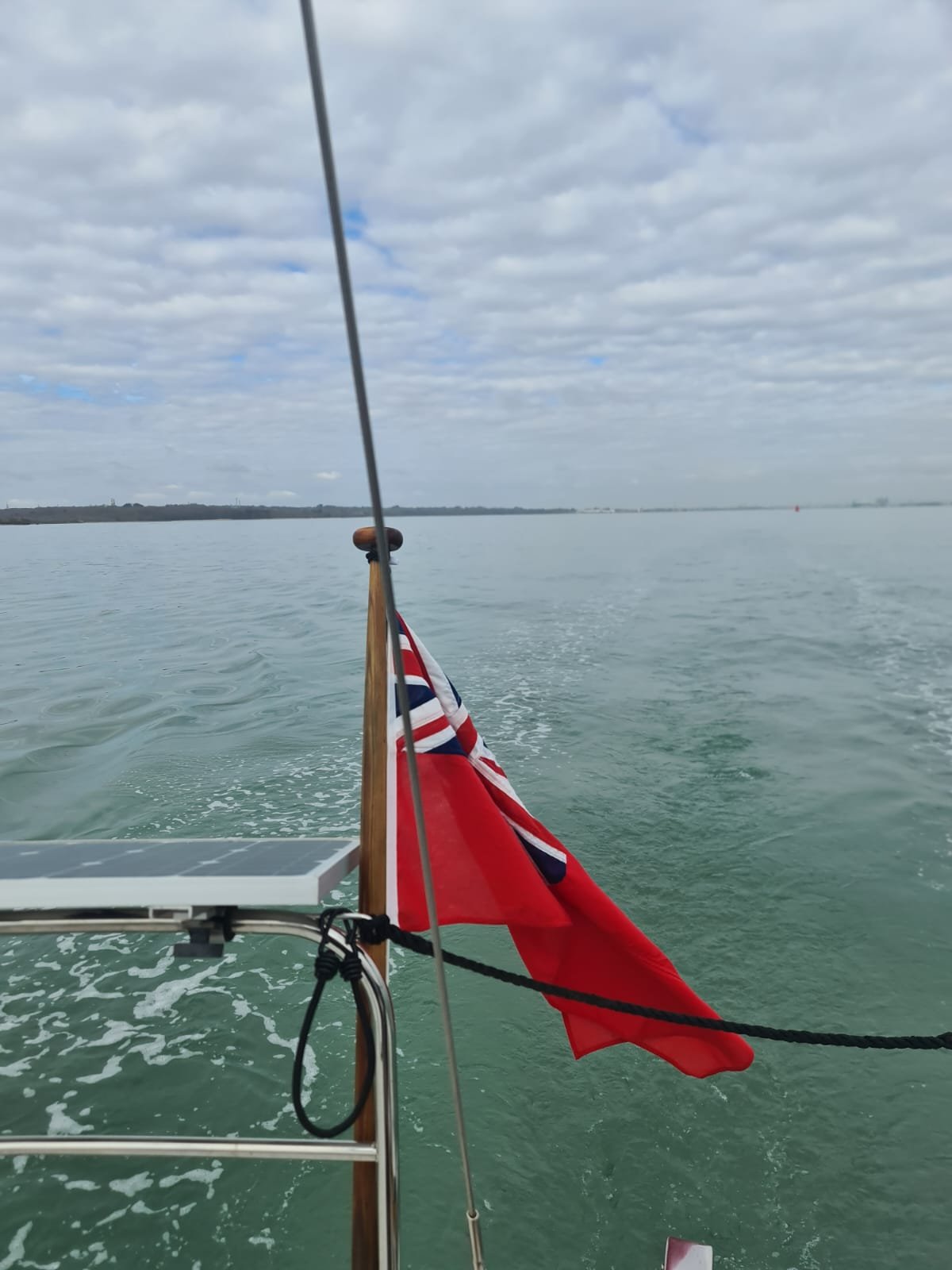
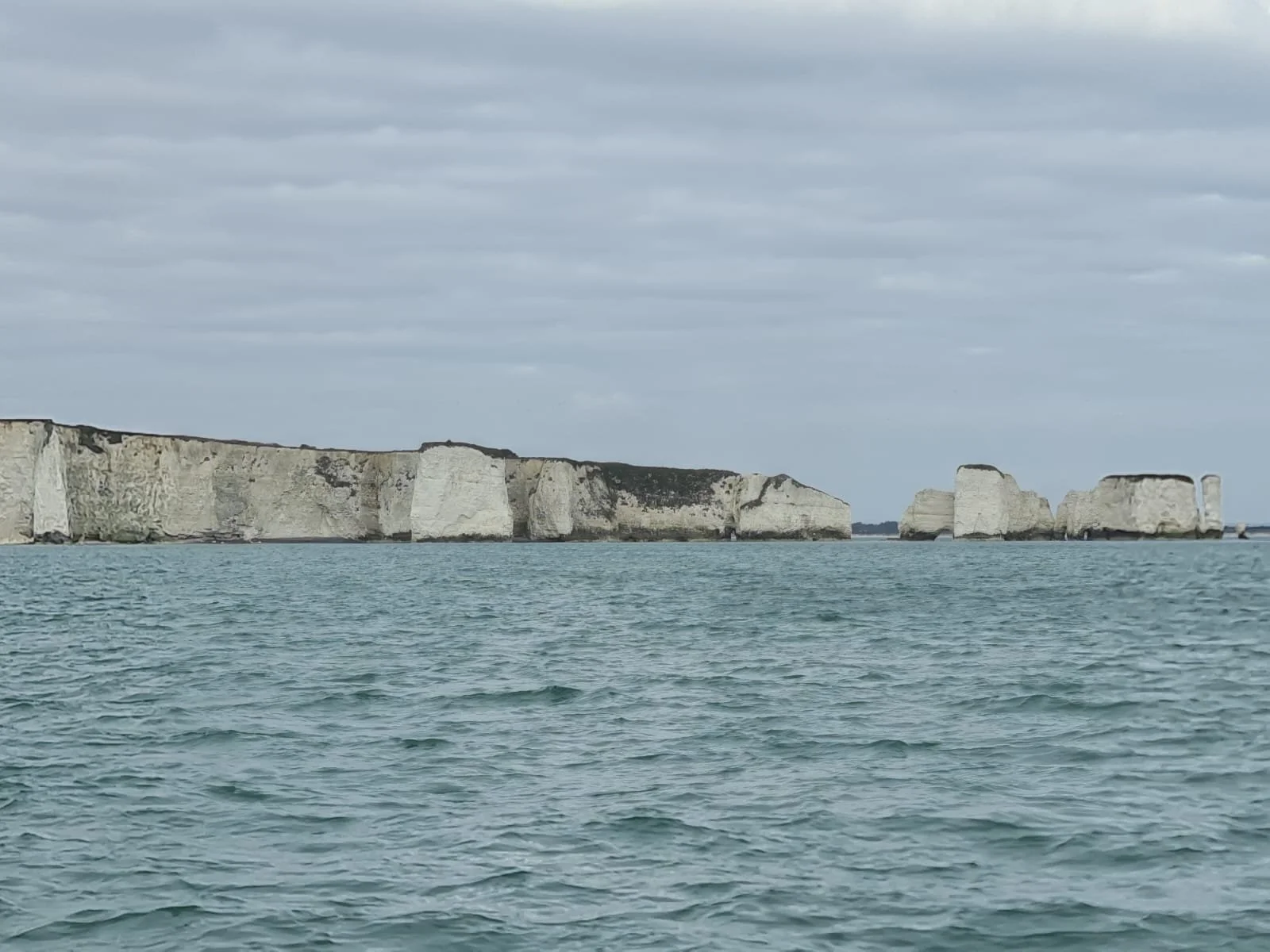
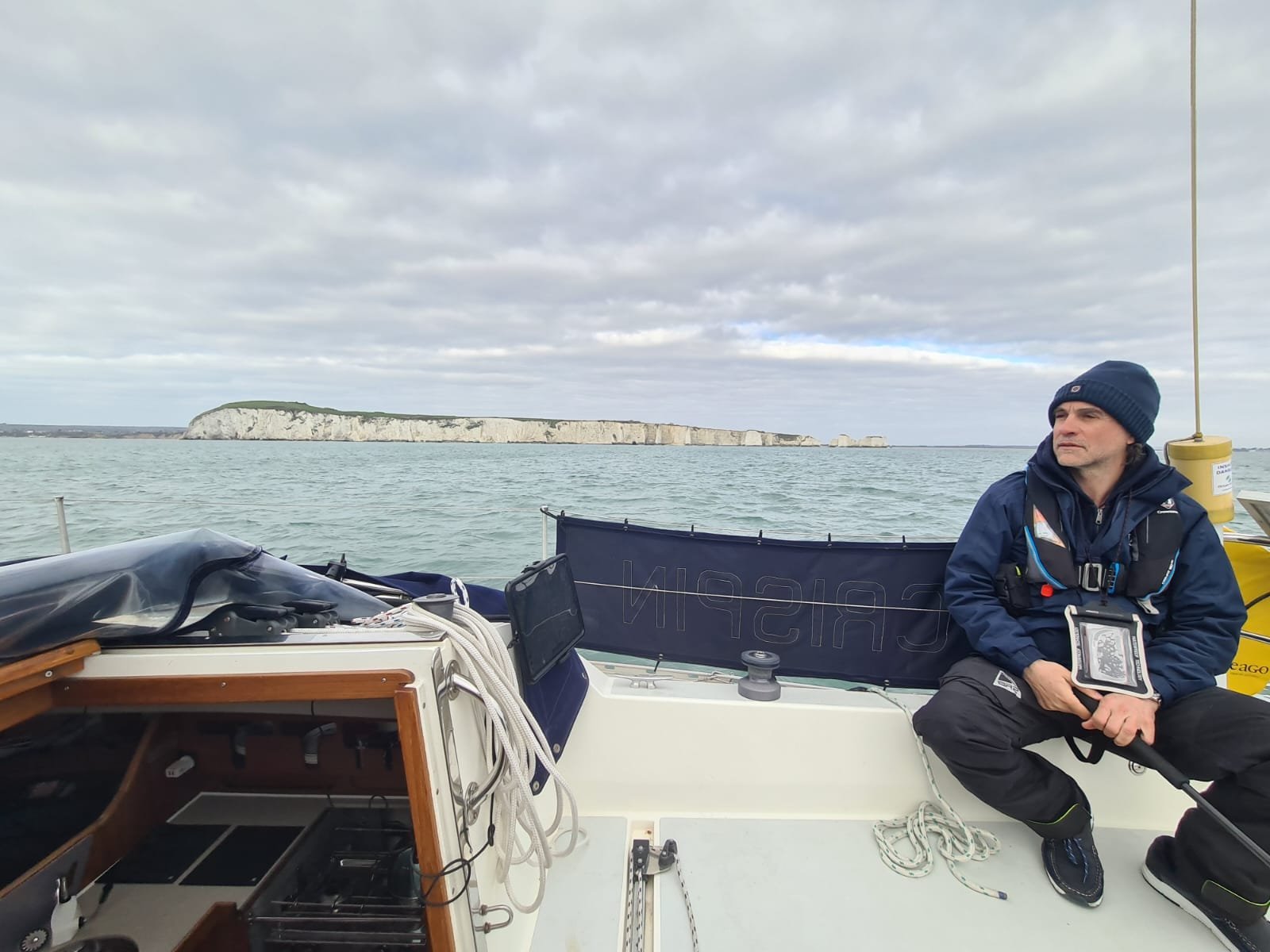
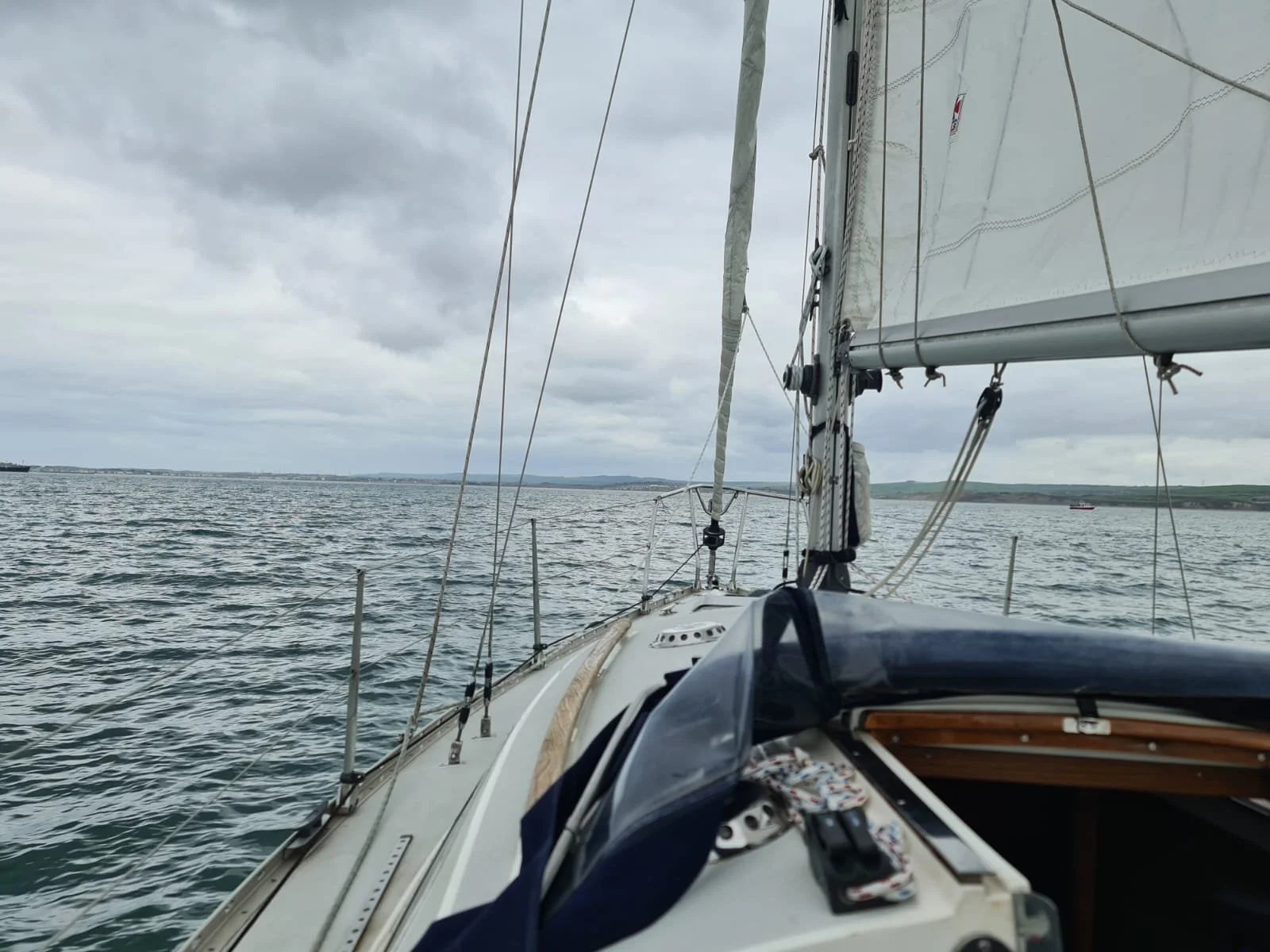
We sailed around St Albans Head — 10 knots of wind, making 6 knots through the water.
For an older Moody, that’s a lovely place to be.
Balanced. Comfortable. Moving well.
The owner took the helm for a good stretch, settling in, building that feel you only get with time.
Then, as always on this coast, the wind turned against us.
Time to head west again — into it.
On came the trusty old Volvo, and we settled into a colder, greyer afternoon toward Weymouth.
Less glamour. More reality.
And just as important.
We arrived late afternoon.
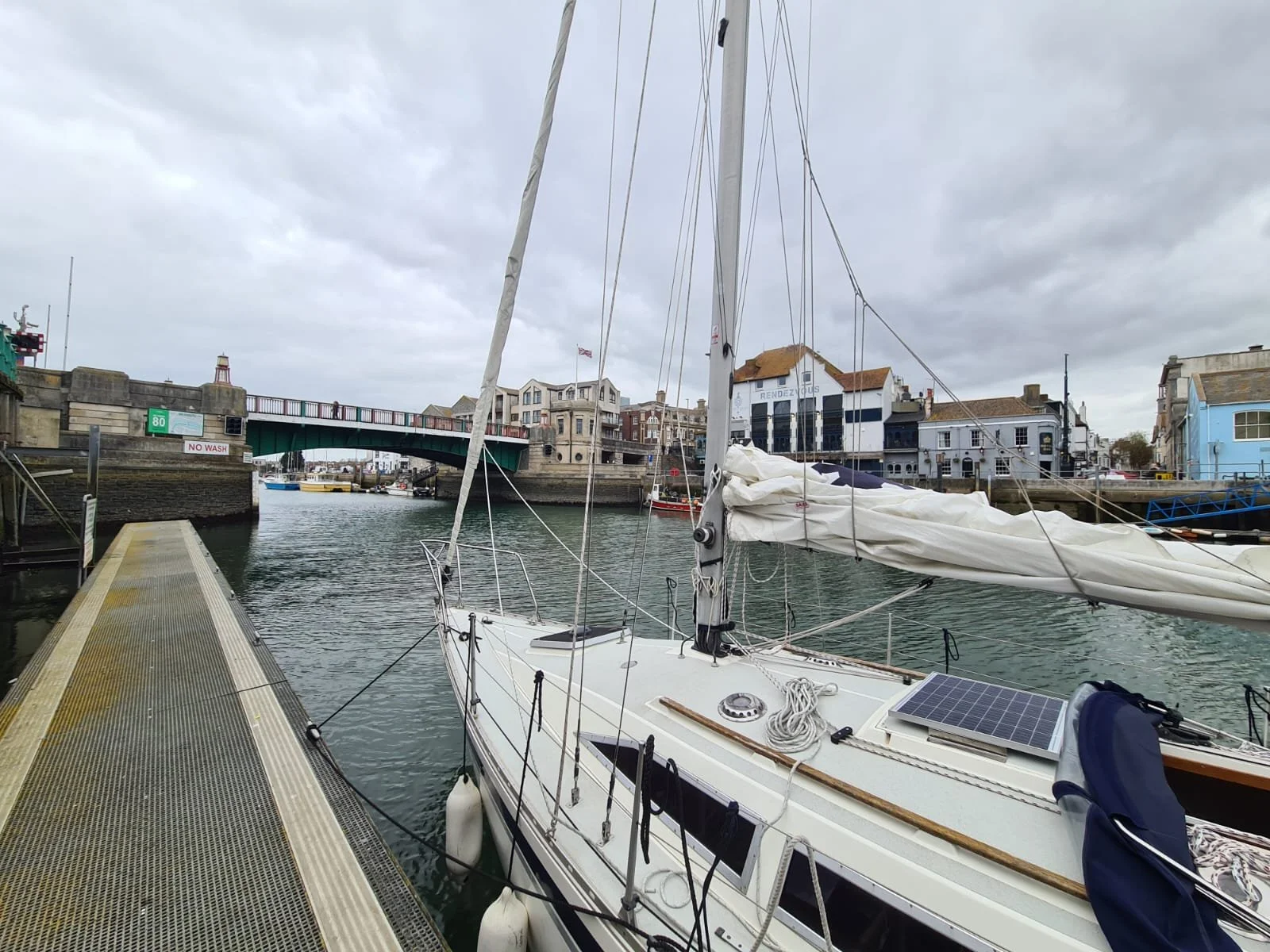
Weymouth is one of those places that always feels welcoming after a passage.
We picked up outside the bridge, and while we waited for it to lift, I nipped ashore and returned with hot chocolates.
Small moment. But exactly what was needed.
Cold hands. Long day. Sugar and warmth.
That evening, we spent time on manoeuvring — working the boat in tighter spaces, building confidence where it really matters.
Later, the owner’s wife joined us, and over burgers in the pub, we talked through the final challenge ahead:
Portland Bill.
A serious tidal gate. A proper decision point.
We planned it carefully — aiming to pass at the turn of the tide, giving it a wide berth.
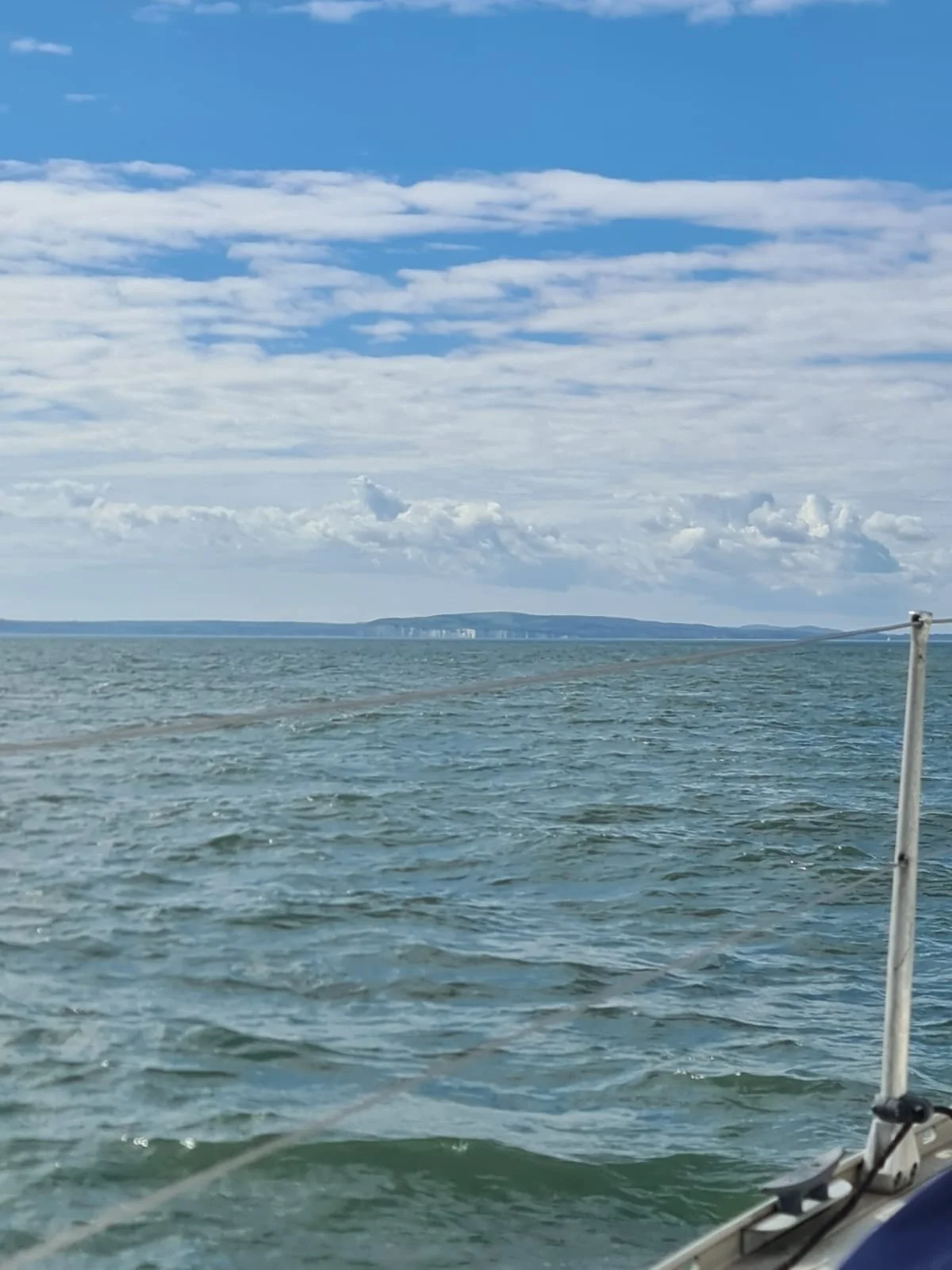
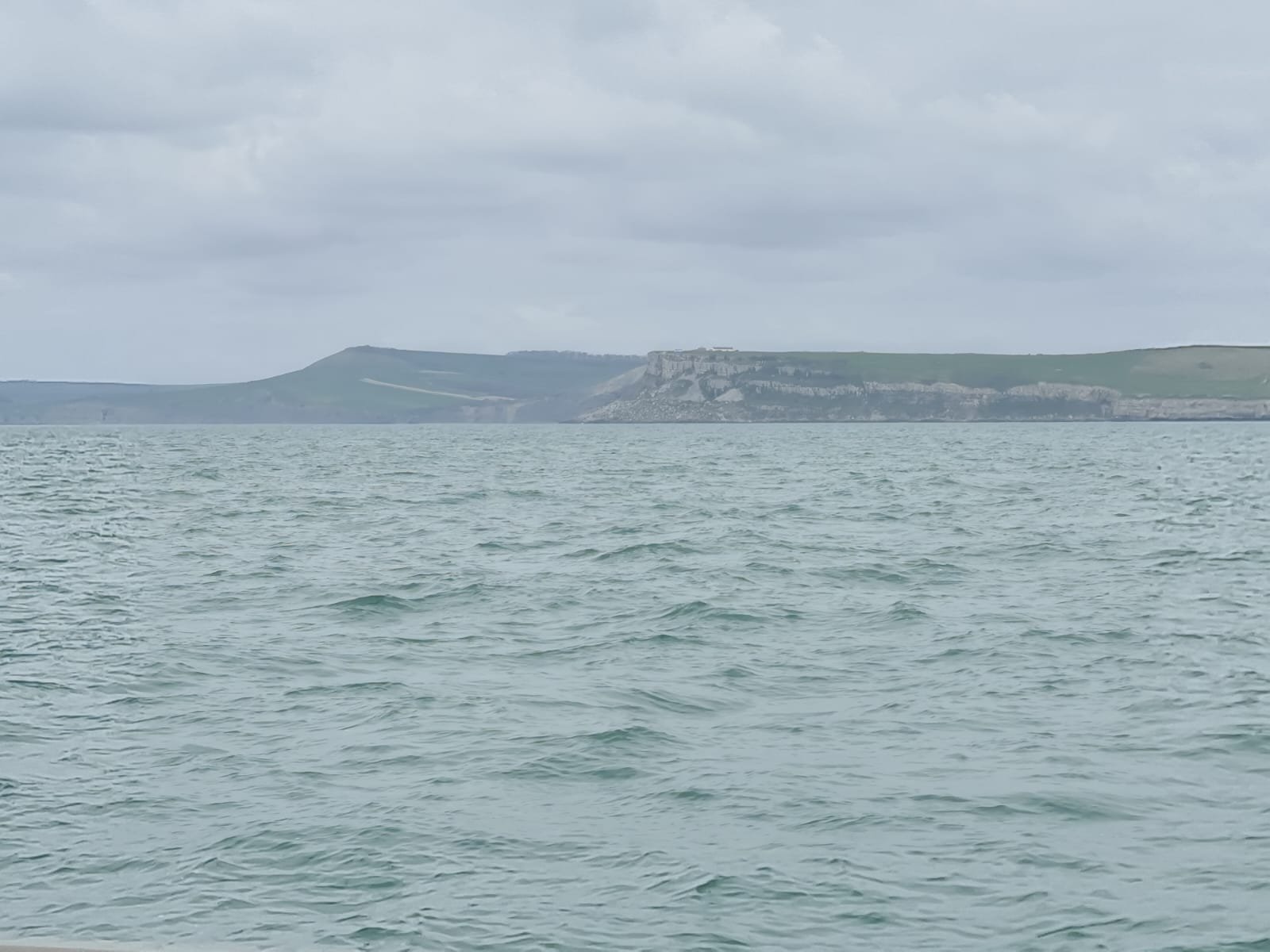
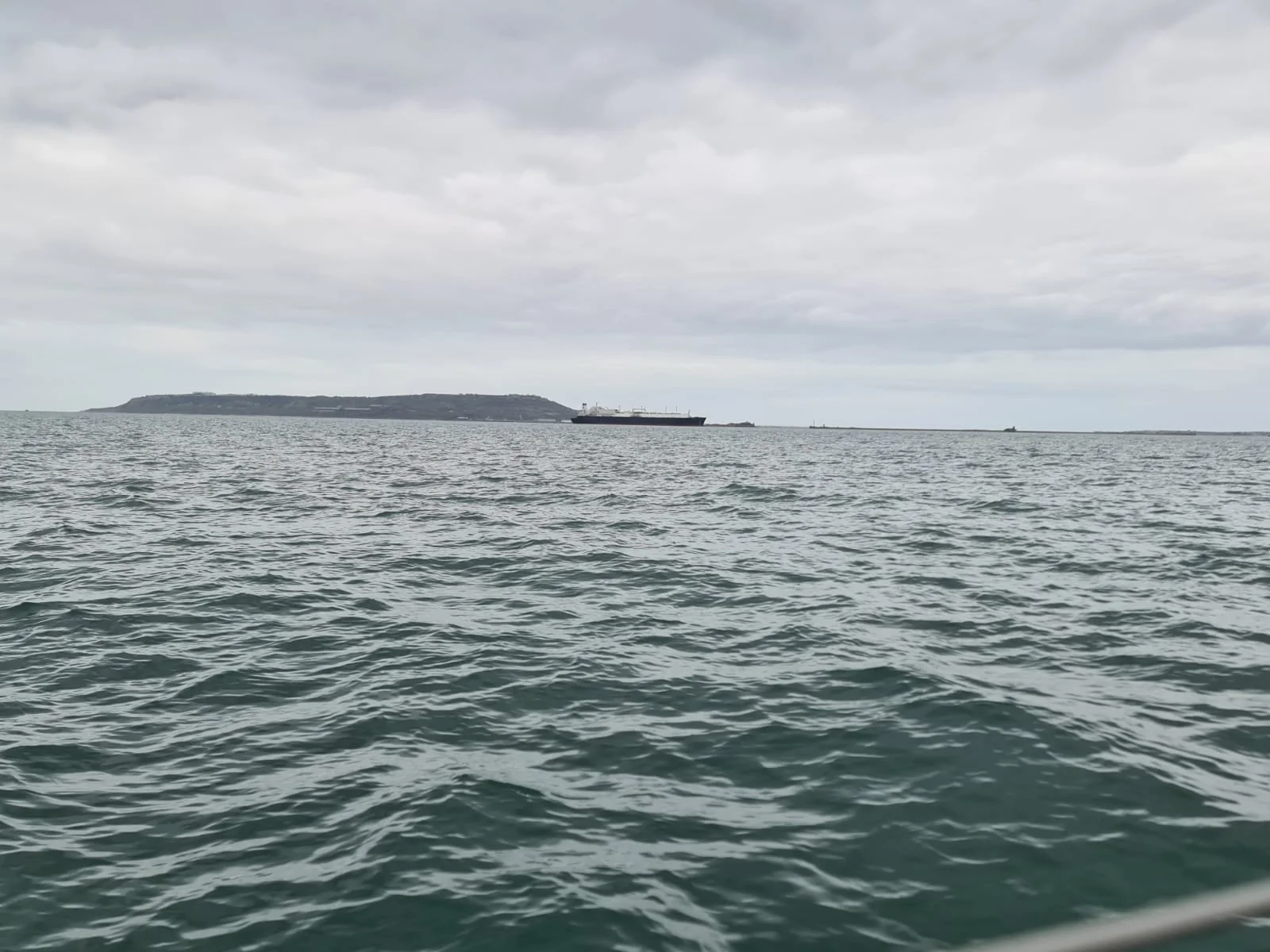
Even from five miles offshore, you can see it working.
The Final Leg
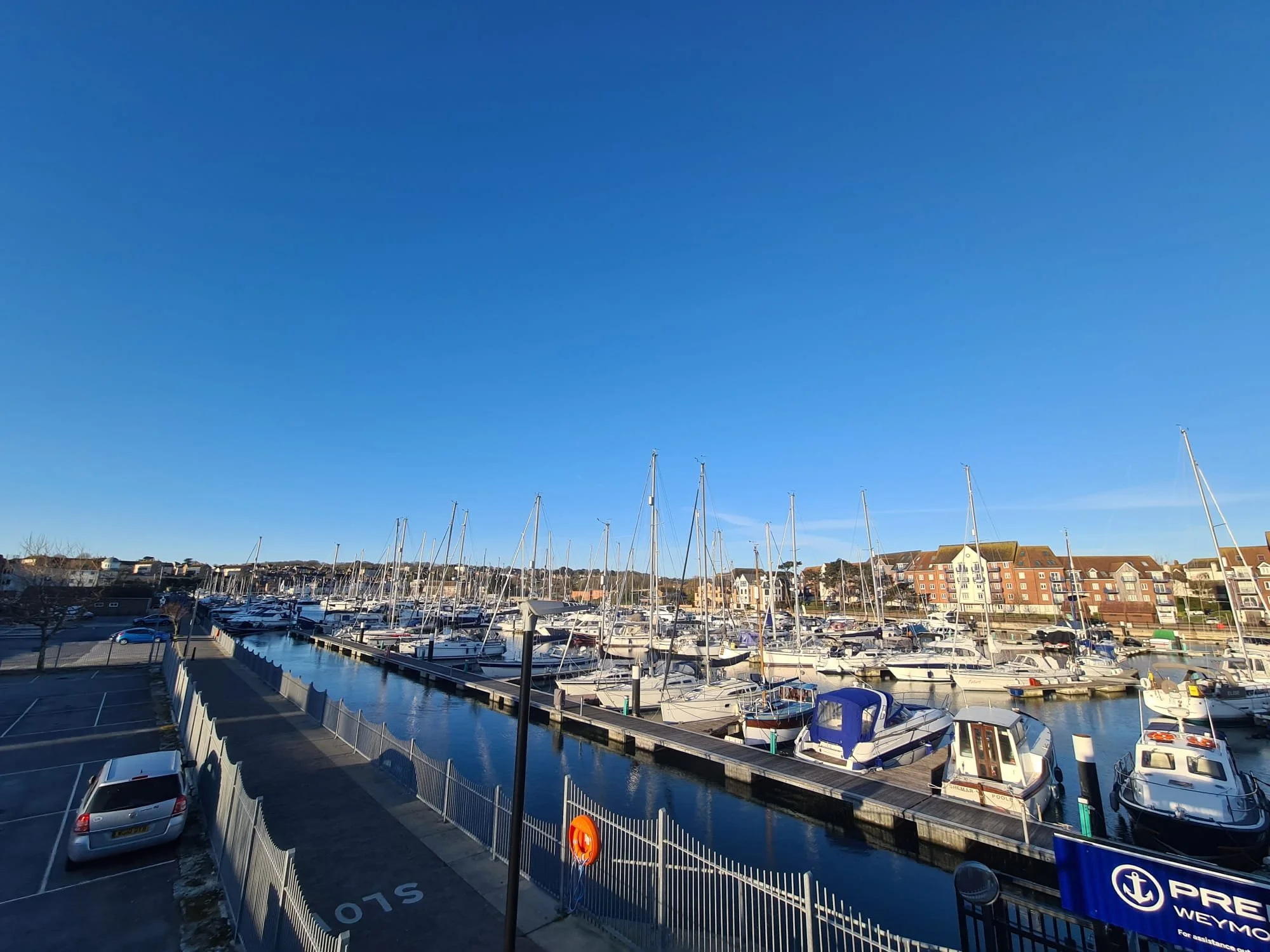
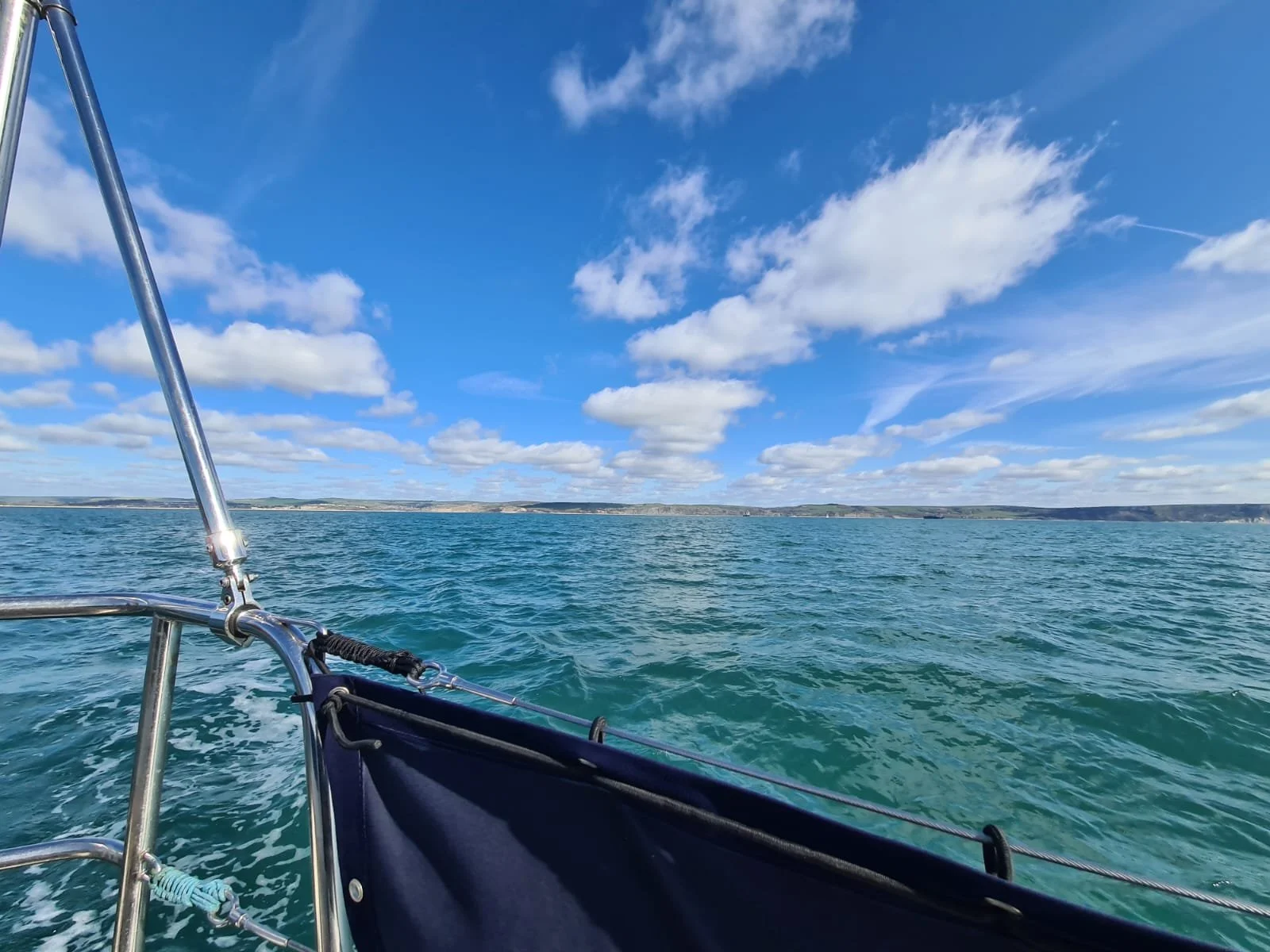
We woke to blue skies.
One of those mornings where everything just feels right before you’ve even slipped the lines.
Heading out of Weymouth, the plan was clear — respect Portland Bill.
Even from miles offshore, you could see it.
The race, the disturbed water, the energy in it.
We held our nerve and our distance. A wide berth, exactly as planned.
Sometimes good seamanship isn’t about skill — it’s about judgement.
Turning West
Once clear, we turned west again… and everything changed.
The wind backed southerly.
The sea settled.
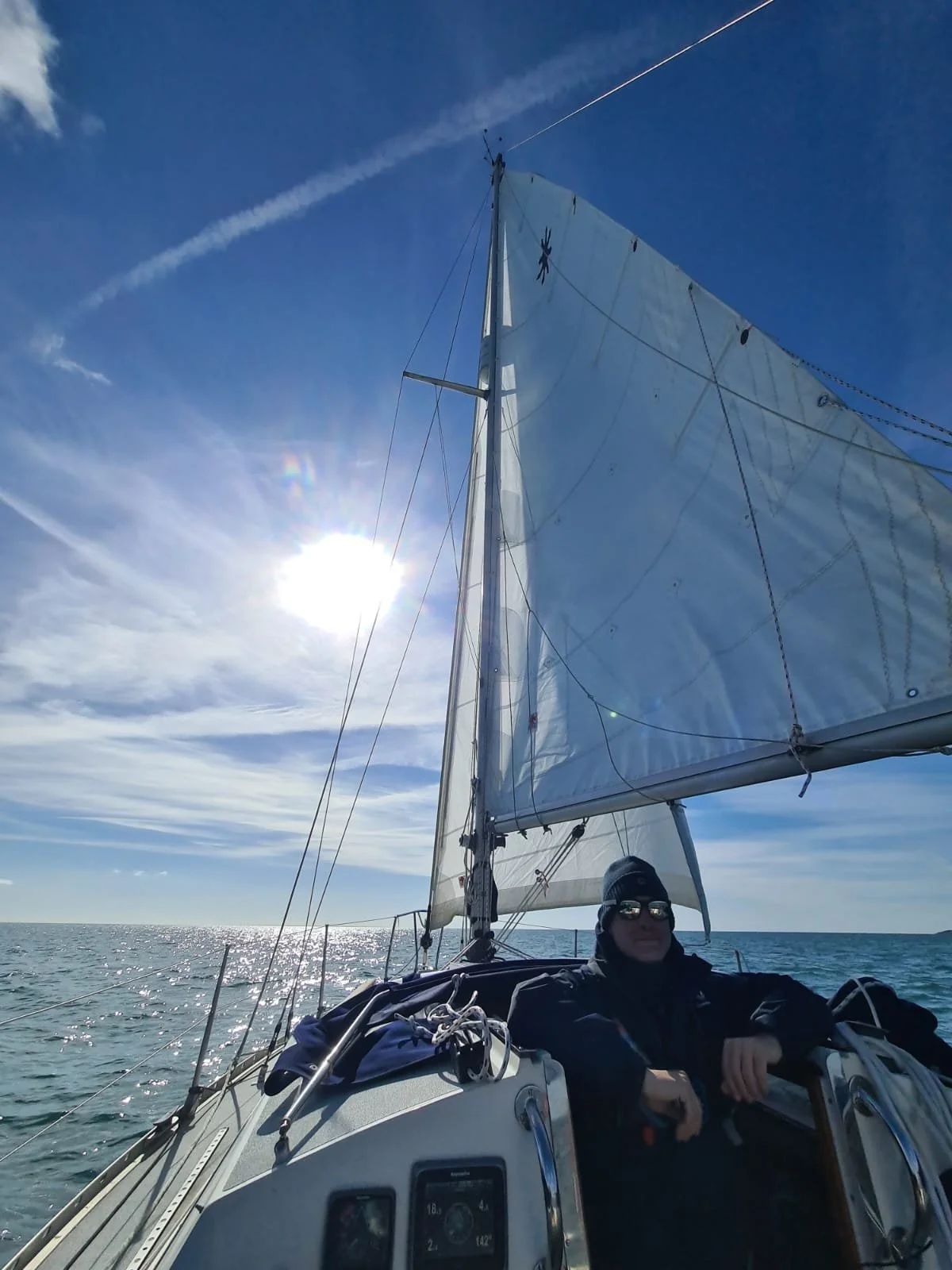
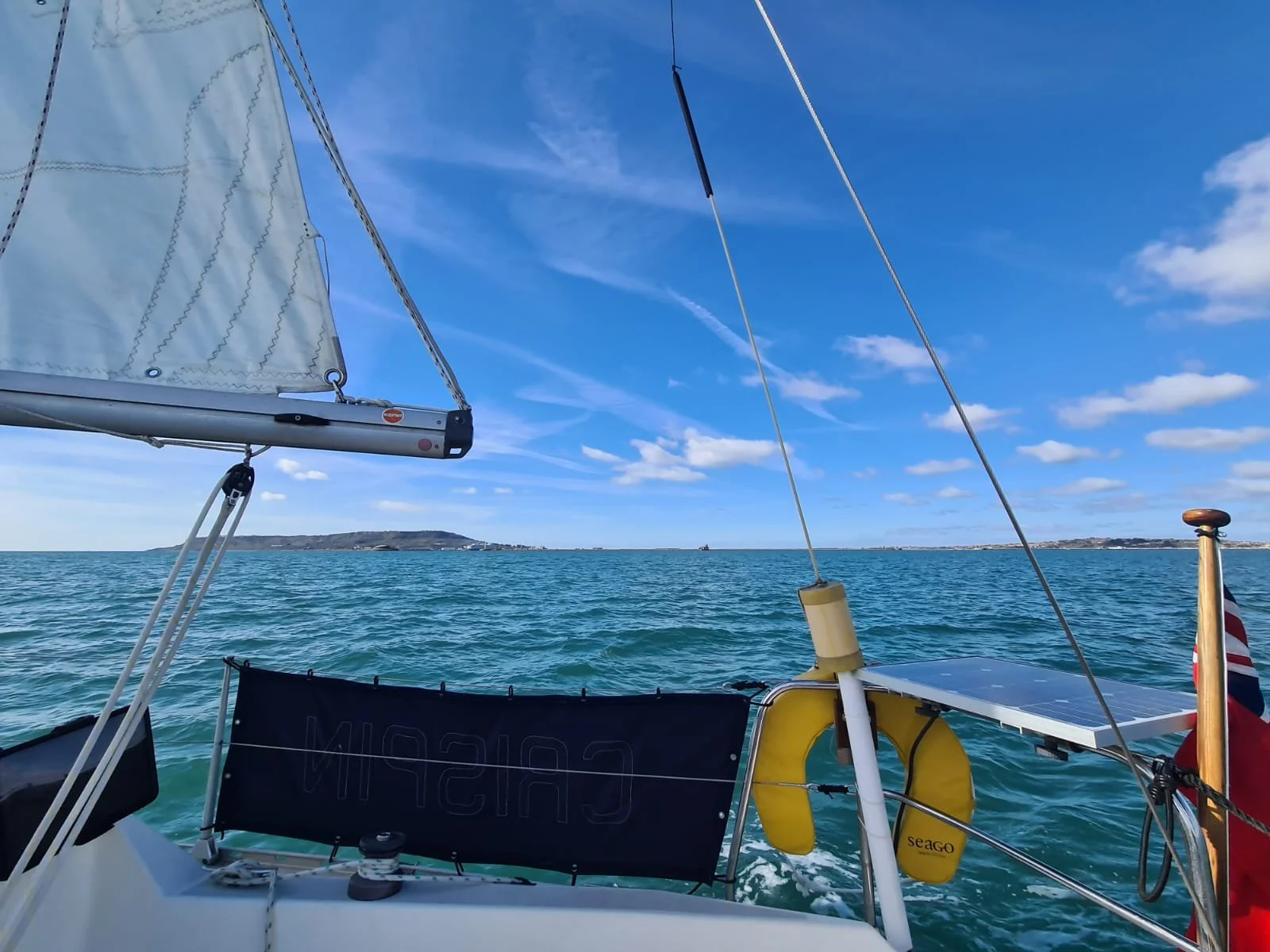
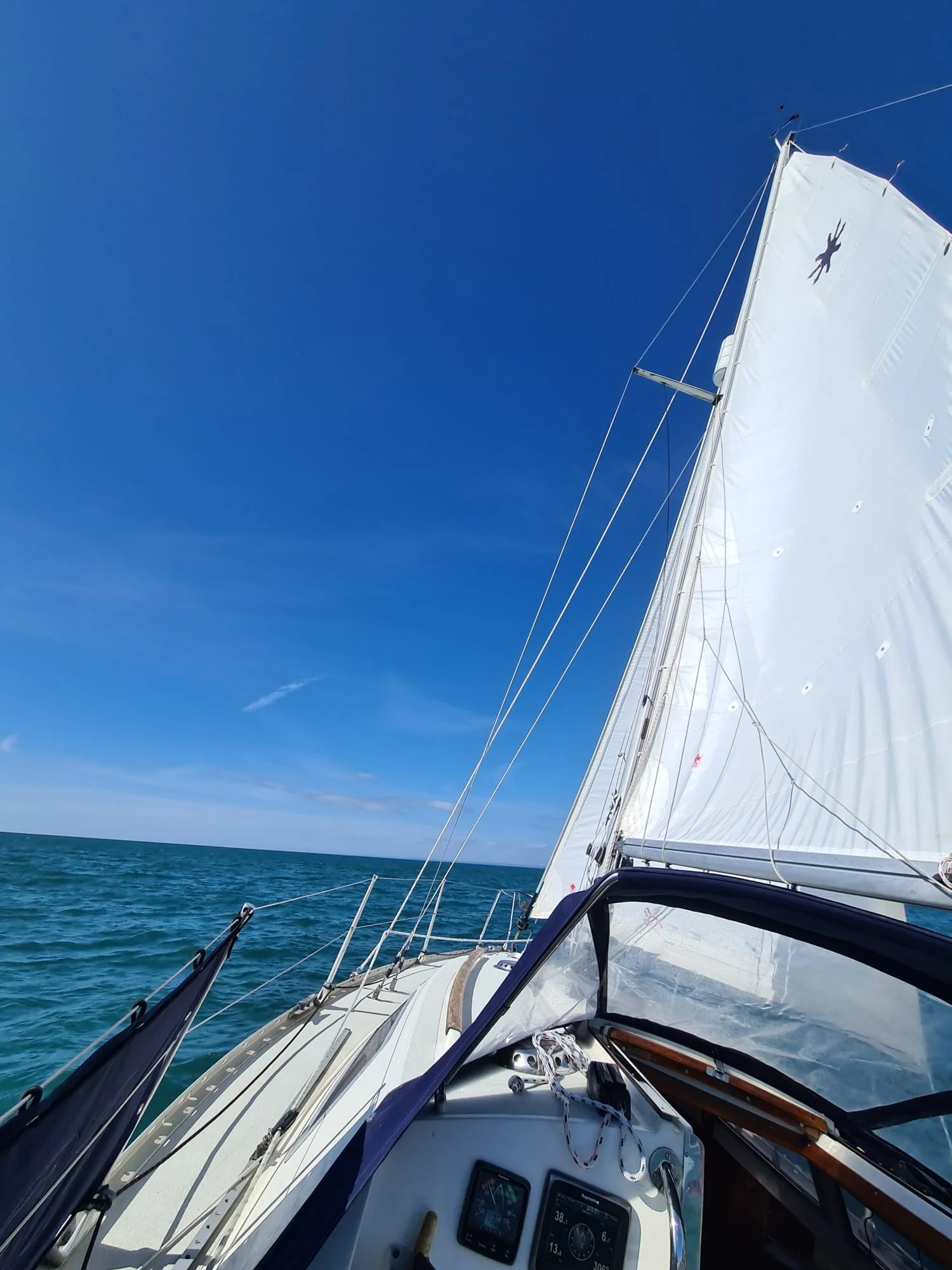
And suddenly, we were sailing.
Proper sailing.
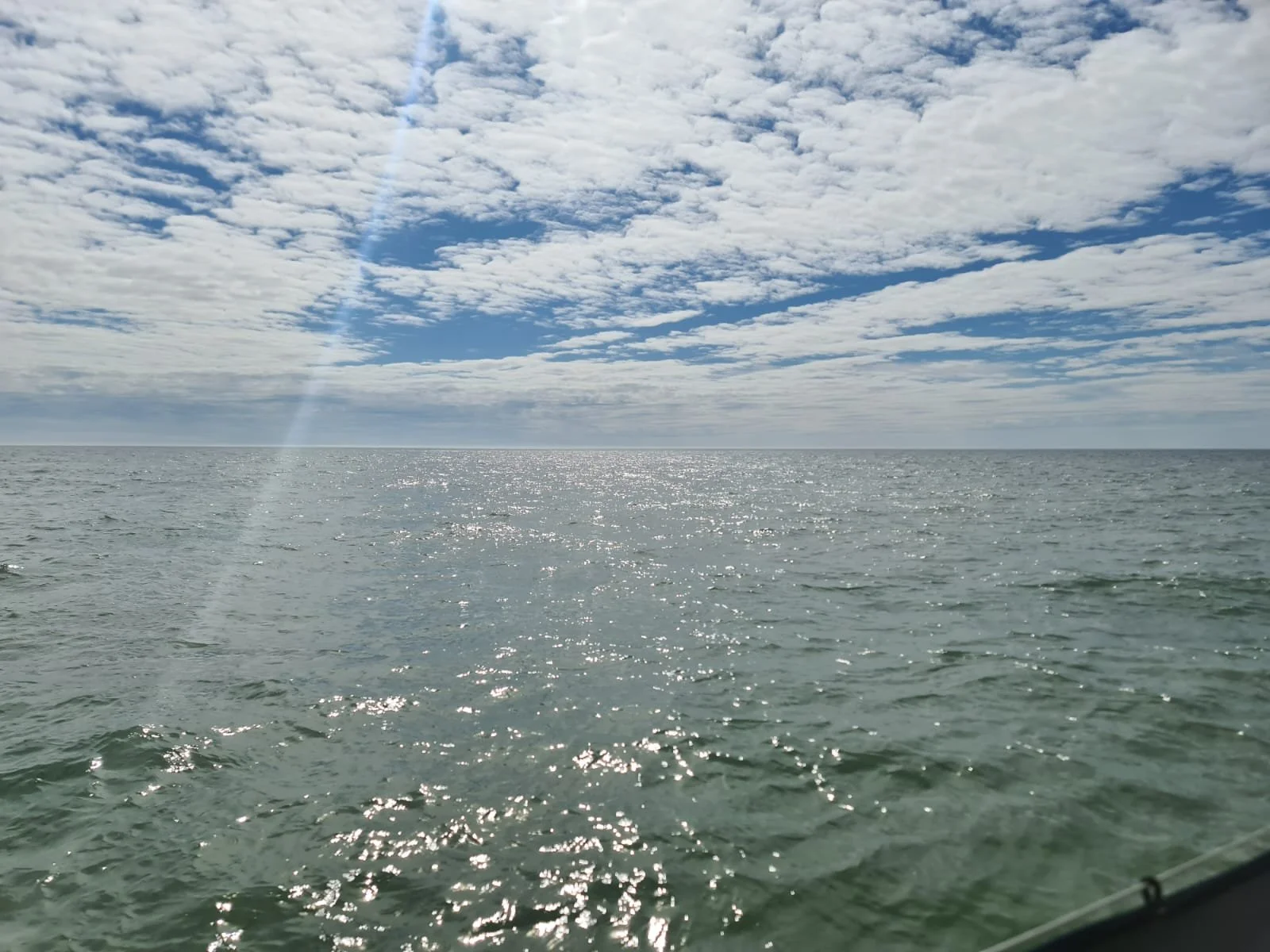
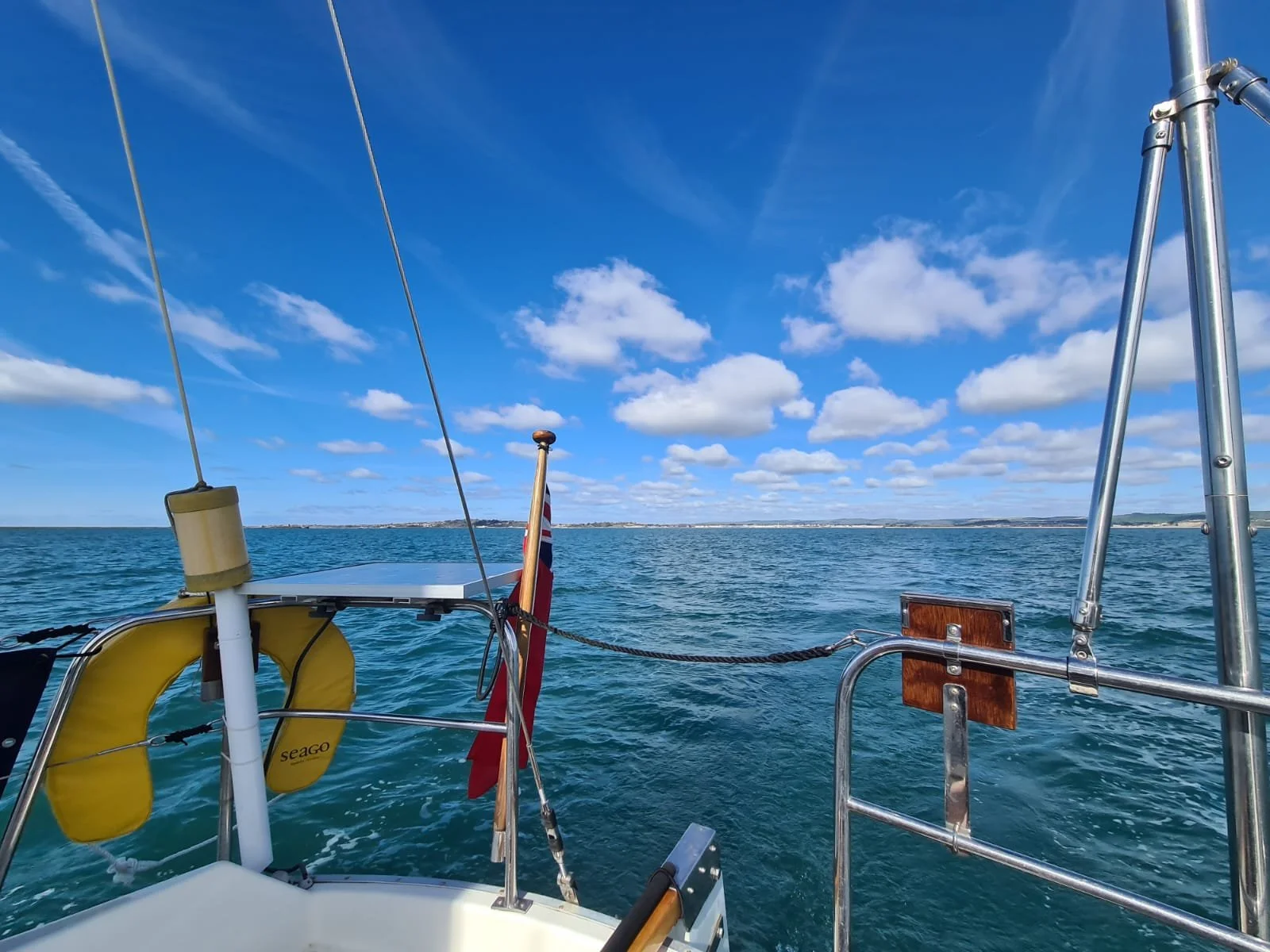
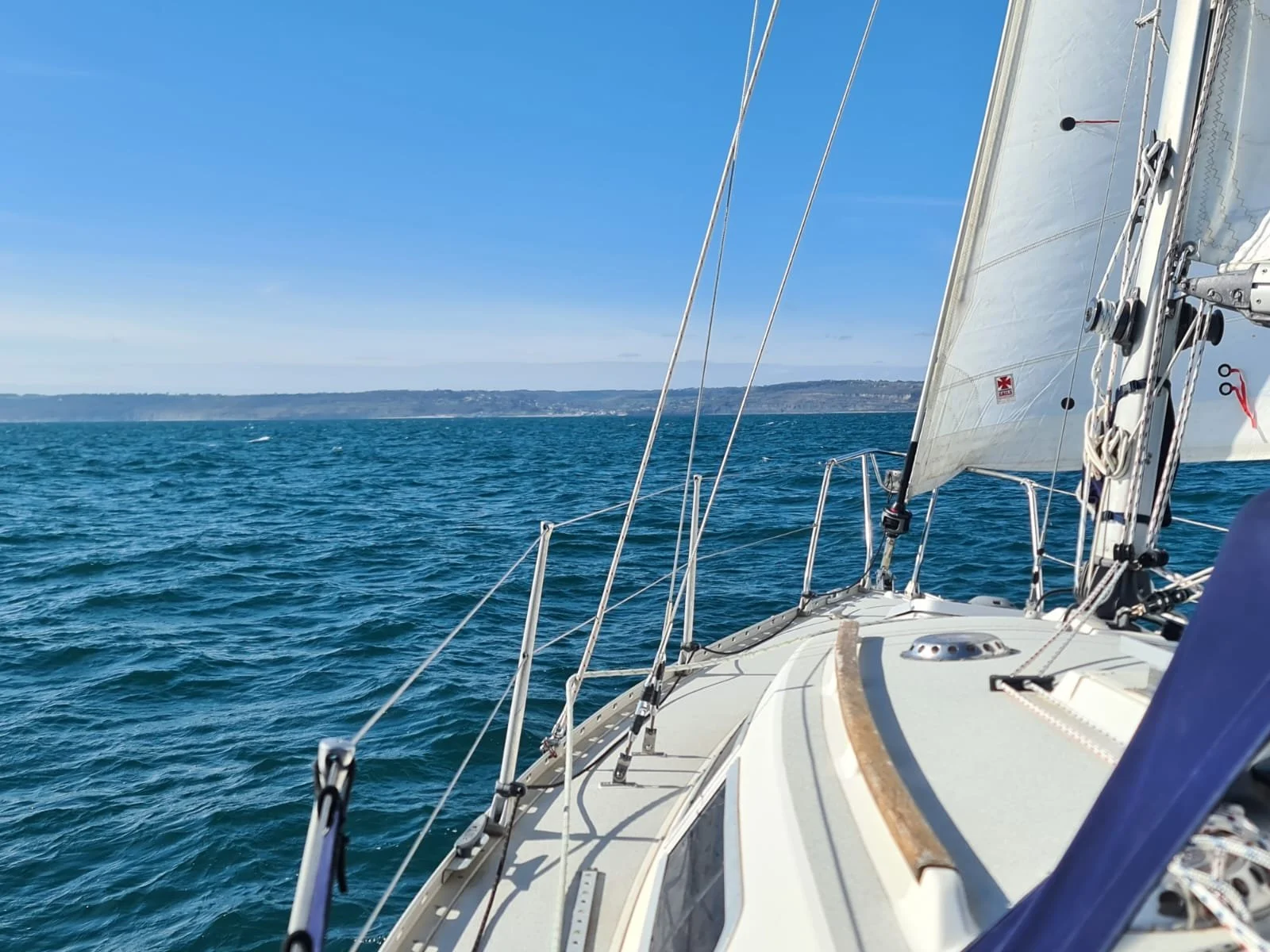
5–6 knots, steady and smooth, under bright sunshine.
The kind of sailing that reminds you why you bought the boat in the first place.
We finished off what was left onboard — biscuits, cheese, and slightly squashed pickle sandwiches — and just enjoyed it.
No rush. No pressure.
Just a perfect afternoon on the water.
Lyme Regis — Timing Matters
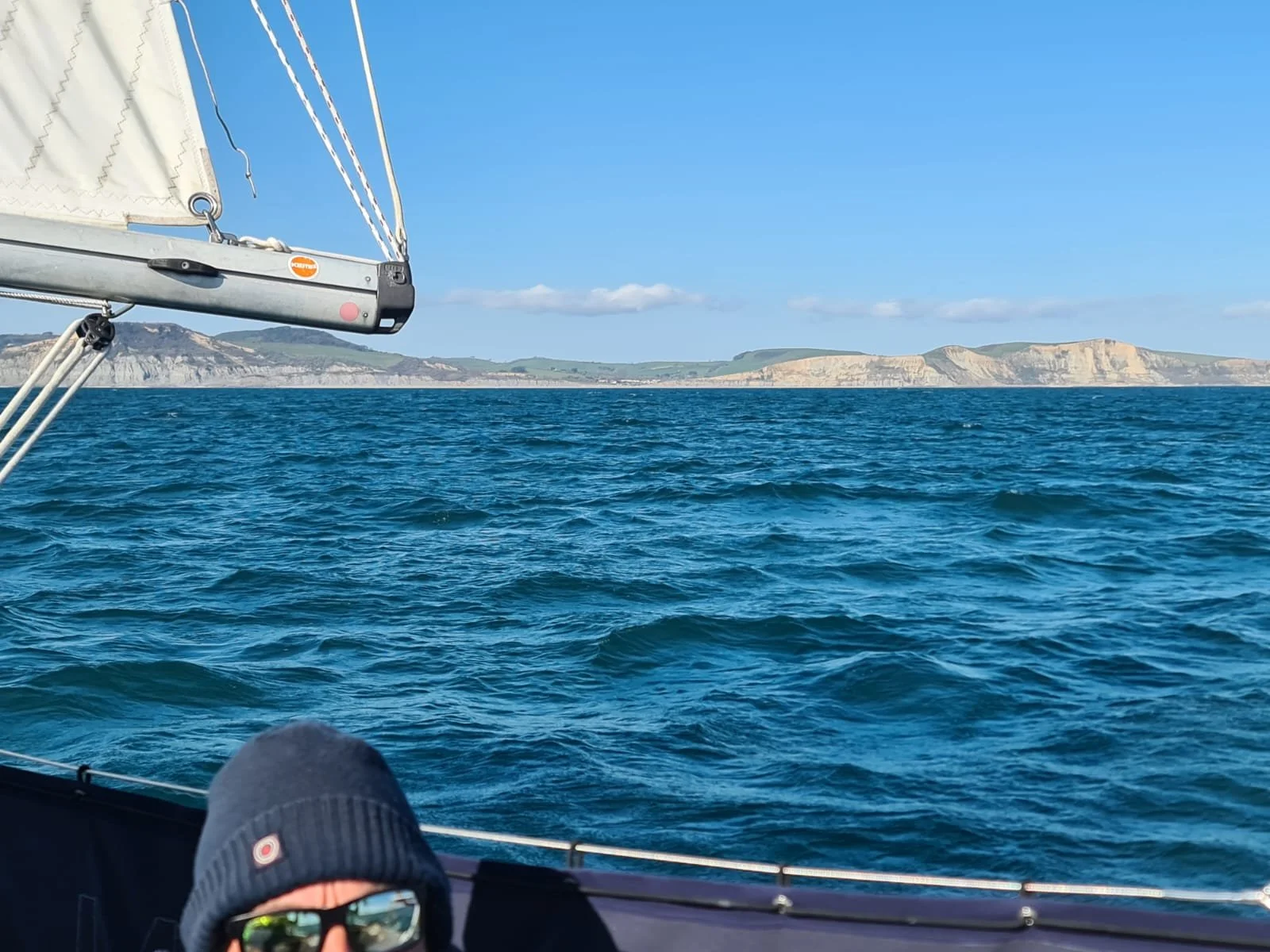
Arrival into Lyme Regis brings its own challenge.
The harbour dries.
So this isn’t a place you just turn up to — you need a plan.
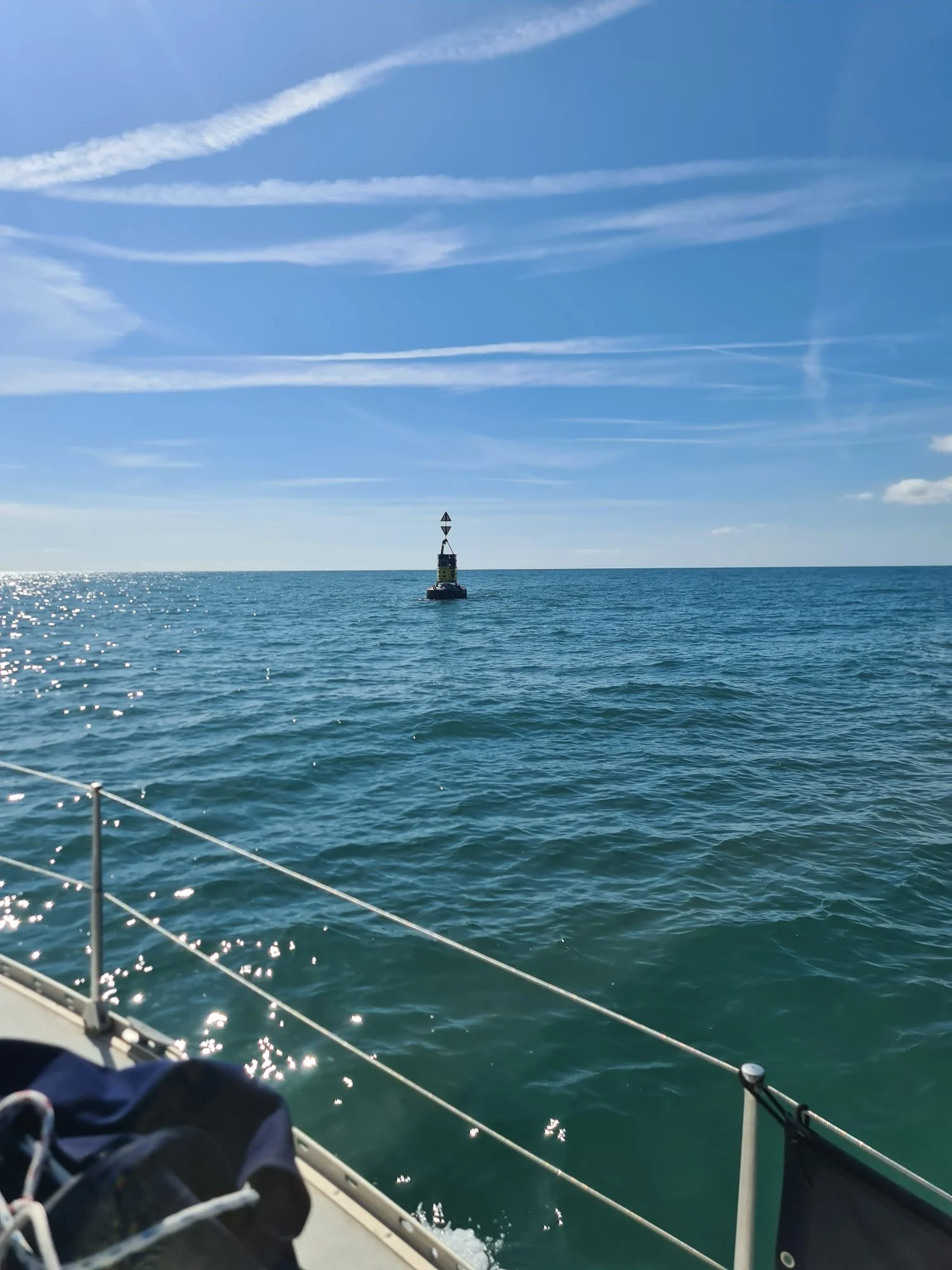
With a bit of local knowledge and some patience, we waited just offshore for the right state of tide, then made our approach.
Calm. Controlled. No drama.
A Proper Finish
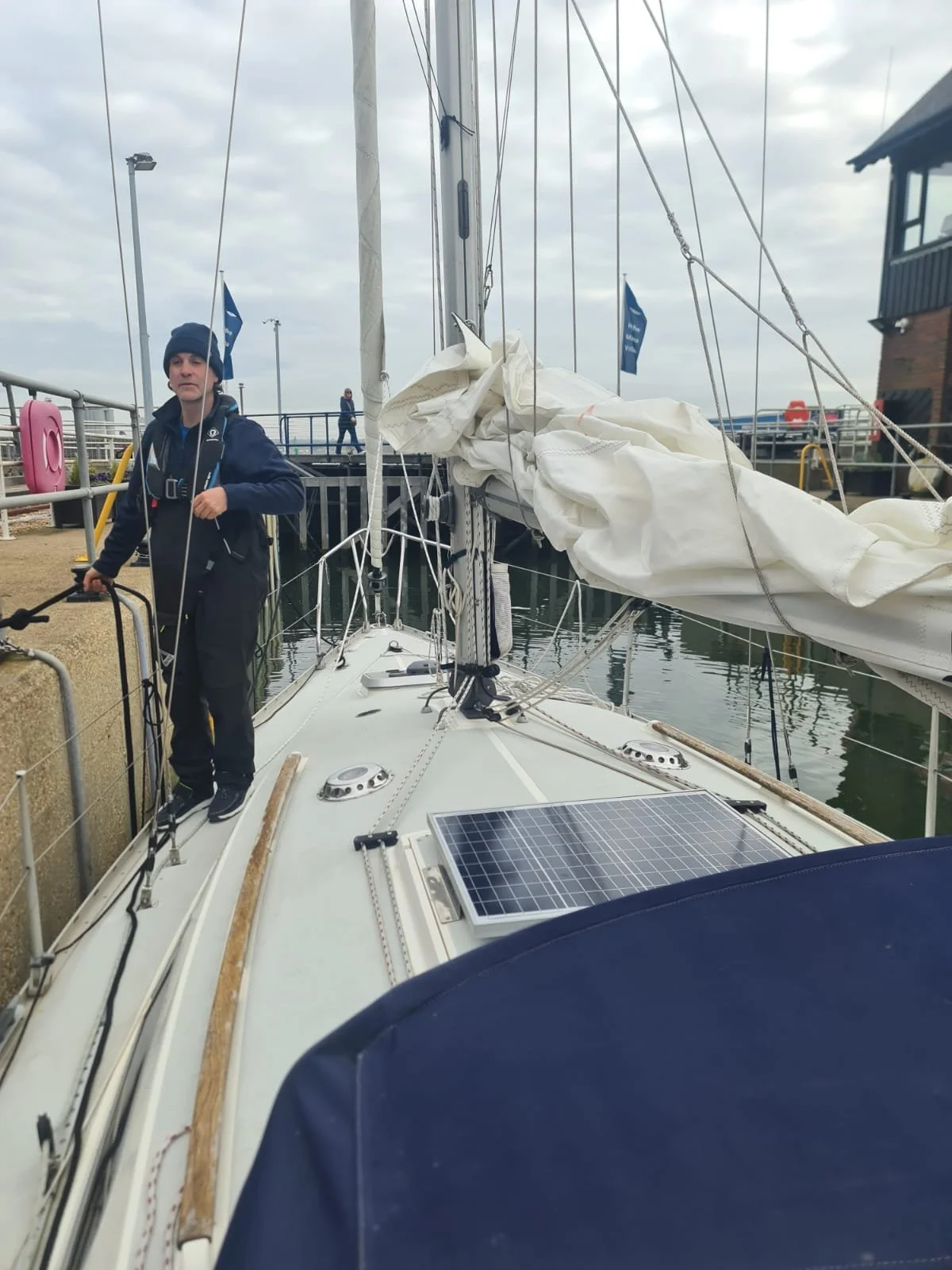
Inside, we picked up a fore and aft mooring.
Not quite textbook — the lines had been set up wrong — but that’s part of it.
Real boating isn’t perfect conditions and perfect setups.
It’s working things out.
Together, we sorted it. Adjusted. Reset. Made it secure.
Job done.
What Actually Matters
Yes — the boat was delivered safely.
But that’s not really the story.
The real outcome was this:
An owner who started the week with a new boat…
…and finished it with growing confidence, real experience, and the ability to go out and do it again.
That’s the shift.
That’s what matters.
Ready for What’s Next
Because in the end, it’s not about the delivery.
It’s about what comes after.
New harbours.
New decisions.
New adventures.
And the quiet confidence to go and find them.
Navaia — Transformation through Adventure
If you’ve got a boat to move, or want to build real confidence aboard your own yacht, get in touch.
Photos courtesy of Martin Mason